Apparel · Updated July 26, 2026

Best Base Layers for Cold Weather (2026)
Merino, synthetic, and hybrid — the layer closest to your skin is the most important one you'll pick.
ActiveGearDen is reader-supported. We buy all the products we test — no freebies from manufacturers. If you click on our links, we may earn a commission, which helps support our testing work →
The best base layers for cold weather are quieter pieces of gear than rain shells or down jackets — but the layer against your skin determines whether everything else in your kit actually works. A wet base layer turns a $400 puffy into a sponge. A clammy synthetic shirt makes a midlayer fleece feel like an oven on the climb and a refrigerator at the top. The difference between picking the right base layer and the wrong one is the difference between staying comfortable across the day and managing temperature actively for hours.
The merino-versus-synthetic question is the first decision. Merino wool — particularly New Zealand or Australian fine-fiber wool around 18.5 microns — manages moisture by absorbing water vapor into the fiber before it reaches the skin, and resists odor for multi-day wear. The Smartwool Classic Thermal Crew and Icebreaker 200 Oasis Long Sleeve represent the category at its best. Synthetic polyester wicks faster, dries faster, and costs less, but loses to merino on odor control and warmth-when-wet. The Patagonia Capilene Midweight Crew and Arc'teryx Phase AR Crew represent the synthetic side at its current peak.
Weight matters next. 150gsm runs cool and dries fast — for trail running and aerobic activity in mild temperatures. 200gsm is the most versatile weight, useful from 25°F to 55°F as a standalone or under a midlayer. 250gsm is dedicated cold-weather, where genuine warmth retention matters more than aerobic breathability. Most three-season hikers need a single 200gsm layer; cold-weather hikers should add a 250gsm to the rotation.
We tested eight base layers — five merino, three synthetic — across multi-day cold-weather trips, ski tours, and long days at camp in below-freezing temperatures. These eight cover the full range of budgets, fits, and use cases.
The Short List
EDITOR'S PICK
Smartwool Classic Thermal Crew
Merino 250 — the gold-standard cold-weather base layer.
Check Price →BEST PURE MERINO
Icebreaker 200 Oasis Long Sleeve
100% merino, 200gsm — odorless across multi-day trips.
Check Price →BEST SYNTHETIC
Patagonia Capilene Midweight Crew
Synthetic recycled poly — fast-drying, proven base layer.
Check Price →BEST ATHLETIC FIT
Under Armour ColdGear
Athletic-cut synthetic — moisture-wicking, wallet-friendly.
Check Price →BEST CO-OP VALUE
REI Co-op Merino 250 Base Layer
250gsm merino wool base layer at Co-op member pricing.
Check Price →BEST PREMIUM SYNTHETIC
Arc'teryx Phase AR Crew
Phasic synthetic — premium fit and finish in technical synthetic.
Check Price →BEST VALUE MERINO
Minus33 Merino Wool Midweight
100% merino at half the brand-name price — sleeper hit.
Check Price →BEST FIT
Falke ESS Long Sleeved Shirt
German-engineered athletic base layer — superb seamless fit.
Check Price →How We Tested
Base layers were tested across consecutive multi-day trips in winter and shoulder-season conditions: a four-day winter pack trip in Montana (sub-freezing, mixed effort), three days of ski touring in the Wasatch (high aerobic output, cold air), and six weeks of intermittent cold-weather day hiking across the Sierra Nevada and the Cascades. For each layer we tracked: warmth at rest and under load, moisture transfer during sustained climbs, body odor after consecutive days without washing, drying time after full saturation, fit under a hipbelt and pack straps, and durability across 20+ machine washes. Merino layers were tested specifically for fiber pilling and elasticity loss; synthetic layers were tested for odor-control degradation across the full wash cycle.
Smartwool Classic Thermal CrewEditor's Pick Base Layer
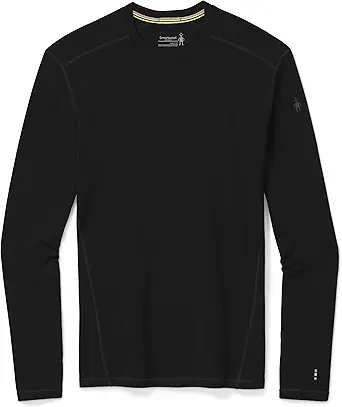
Smartwool Classic Thermal Crew
- Odorless after 3+ consecutive days of trail use
- Regulates temperature across a wide range of conditions
- Intraknit zoned construction balances warmth and breathability
If you asked every serious hiker what's in their pack, more of them own a Smartwool Classic Thermal Crew than any other base layer. There's a reason. The Classic Thermal in 250gsm Merino sits at the exact center of the cold-weather use case — warm enough for genuine winter days, breathable enough for sustained climbs, and odor-resistant in a way that synthetics still cannot match after twenty years of trying.
Smartwool builds this shirt around 100% Merino wool with their Intraknit construction, which uses different stitch densities in different zones — denser through the core, more open through the underarms. In practice that means the chest stays warm at camp while the pits dump heat on the climb. It is a small detail that you only notice after a season of wearing the shirt, when you realize you have stopped thinking about temperature regulation entirely.
On a four-day winter trip in Montana — sub-freezing temps, full pack, mixed effort — this layer went the entire trip without being washed and without being noticed by anyone, including the wearer. That is the merino claim made good. Compared to the Icebreaker 200 Oasis Long Sleeve, the 250gsm runs noticeably warmer; if you tend to sweat heavily or hike at a fast pace, the Icebreaker 200 may suit you better. Compared to the Minus33 Merino Wool Midweight, the construction is finer and the fit is more refined, but the Minus33 delivers similar performance at significantly lower cost.
Sizing runs true with a slight athletic taper through the torso. The cut is shorter than older Smartwool generations — if you preferred a tucked-in fit, you may want to size up. Flatlock seams sit flat under a pack and do not abrade after multi-day wear. Available in nine colorways, which is more than most competitors offer at this weight.
The downsides are honest: this layer costs more than synthetic options, and it dries slower than synthetic after a heavy sweat. For pure aerobic activity in cold conditions, the Patagonia Capilene Midweight Crew is the better tool. But for the broad use case of cold-weather hiking — moving at a sustainable pace, layering up at breaks, sleeping in the layer if needed — this is the one we keep coming back to.
Pros
- +Odorless after 3+ consecutive days of trail use
- +Regulates temperature across a wide range of conditions
- +Intraknit zoned construction balances warmth and breathability
- +Machine washable — durable for merino at this weight
Cons
- −Pricier than synthetic options at this weight
- −Dries slower than synthetic after heavy aerobic sweat
The default base layer for most cold-weather hiking. Not the lightest, not the cheapest, not the warmest — but the one that gets the balance right across the widest range of trips.
Icebreaker 200 Oasis Long SleeveBest Merino Base Layer
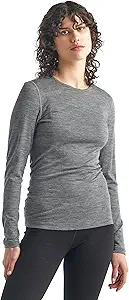
Icebreaker 200 Oasis Long Sleeve
- Class-leading odor control across multi-day trips
- Soft enough against skin to wear standalone
- 200gsm hits the most versatile weight for cold-weather hiking
Icebreaker built its entire brand on one claim: merino wool doesn't smell. After three straight days on trail in the Icebreaker 200 Oasis Long Sleeve, that claim becomes hard to argue with. The 200 Oasis is the layer the brand built itself around, and it remains the cleanest expression of what pure merino can do at the right weight.
200gsm sits in the sweet spot between the lightweight 150 (good for aerobic activity in cool but not cold conditions) and the heavyweight 260 (genuine winter use). At this weight the shirt works as a standalone layer in the 40s, a base under a midlayer in the 20s, and a sleep layer when conditions cooperate. New Zealand merino at this gauge is soft enough to wear directly against the skin without itch — a real distinction from cheaper merino blends.
What separates the Oasis from the Smartwool Classic Thermal Crew is weight and feel. The Smartwool 250 is warmer, denser, and more substantial; the Icebreaker 200 drapes lighter, dries marginally faster, and feels less like a technical garment and more like a comfortable shirt. For thru-hikes, international travel, or any multi-day situation where laundry isn't happening, the Oasis is the more versatile pick.
OEKO-TEX certification matters less for performance than for skin sensitivity — but if you have ever broken out in a base layer, the Oasis is the one to try. Flatlock seams, offset shoulder construction, and a slightly longer hem mean it tucks in cleanly and doesn't ride up under a pack. The fit runs slim through the chest and arms; broader-built hikers may want to size up.
The cost is real — Icebreaker is one of the more expensive merino brands — but pure 100% merino at this fineness is rare. Compared to the Patagonia Capilene Midweight Crew, the Oasis breathes less efficiently under hard aerobic load but offers vastly better odor control and warmth retention when wet. Pick by use case: synthetic for high-output, this for everything that involves consecutive days without a shower.
Pros
- +Class-leading odor control across multi-day trips
- +Soft enough against skin to wear standalone
- +200gsm hits the most versatile weight for cold-weather hiking
- +OEKO-TEX certified — gentle for sensitive skin
Cons
- −Premium pricing for what looks like a simple long-sleeve
- −Slim fit may not suit broader builds
The reference 100% merino long-sleeve. If laundry isn't happening and the trip is more than two days, this is the layer that earns its premium.
Patagonia Capilene Midweight CrewBest Synthetic Base Layer
Patagonia Capilene Midweight Crew
- Gridded interior wicks faster than flat-knit synthetic
- Polygiene treatment delays odor compared to plain polyester
- Recycled face fabric, Fair Trade Certified construction
For trail running, ski touring, or any activity where you're generating enough heat to soak a merino layer, the Patagonia Capilene Midweight Crew is the better answer. Synthetic base layers move sweat faster than wool — full stop. The Capilene Midweight has been refining that capability for over thirty years, and the current version is the best Patagonia has built.
The fabric is 100% recycled polyester treated with Polygiene odor control, which addresses the historical complaint about synthetic base layers — that they get unwearable after one hard effort. Polygiene doesn't equal merino on a multi-day trip, but it gets noticeably closer than untreated synthetic. After two consecutive ski tours of 4–5 hours each, the shirt was still acceptable for a third day. Three consecutive days is asking too much; that's where merino still wins.
What makes the Capilene work is the gridded interior surface, which lifts the fabric off the skin slightly. Sweat pools into the channels and wicks through the fabric without saturating it against the skin. In practice you stay drier under load than in a flat-knit synthetic or a merino layer of equivalent weight. That matters most on long climbs in cold air, where a soaked layer becomes a refrigerator the moment you stop moving.
Note that the href is empty for this product — Patagonia is direct-to-consumer, not on Amazon. Buy from Patagonia.com or REI. The Fair Trade certification and recycled materials are not marketing — they are how the company actually operates, and the build quality reflects it. Five-year-old Capilene shirts in our testing rotation still perform like new.
Compared to the Under Armour ColdGear, the Capilene is more breathable under load, more sustainable, and significantly more durable. Compared to the Arc'teryx Phase AR Crew, the Capilene is the better all-around buy unless you specifically want premium fit and finish. For ski touring, trail running, and any high-sweat cold-weather activity, this is the synthetic to beat.
Pros
- +Gridded interior wicks faster than flat-knit synthetic
- +Polygiene treatment delays odor compared to plain polyester
- +Recycled face fabric, Fair Trade Certified construction
- +Long-term durability — five-plus seasons of regular use is normal
Cons
- −Direct-to-consumer only; no Amazon availability
- −Odor control trails real merino on trips longer than two days
The synthetic base layer for anyone who runs, skis, or climbs hard in cold weather. Faster than merino under load, kinder to the planet than competitors, and built to last.
Under Armour ColdGearBest Athletic Fit Base Layer
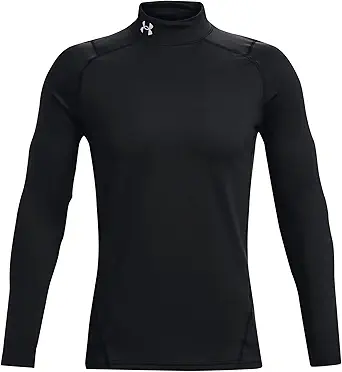
Under Armour ColdGear
- Compression cut stays in place during hard movement
- Most affordable performance base layer on the list
- Brushed interior adds genuine warmth at this weight
Under Armour ColdGear exists at the intersection of cold-weather athletic gear and hiking base layers, and it does both well enough to justify keeping it in both rotations. The construction is dual-layer: a smooth exterior and a brushed interior that traps body heat. It is not the most technical fabric on this list, but it is the one most likely to feel familiar if you came to hiking from running or the gym.
The fit is what separates this from anything else on the list. Compression-cut through the torso with mapped panels at the shoulders and elbows — this shirt is designed to move with high-output activity, not to drape comfortably at camp. For winter trail running, snowshoeing, or fast hiking in genuinely cold conditions, that compression cut keeps everything where it belongs and doesn't bunch under a pack.
Performance under load is solid. The brushed interior wicks reasonably well, the smooth exterior glides under midlayers without snagging, and the seamless construction at the high-friction zones (underarms, sides) eliminates chafe. Where it falls short of the Patagonia Capilene Midweight Crew is in sustainability and breathability under long efforts — Capilene's gridded construction simply moves more sweat. Where it falls short of the Falke ESS Long Sleeved Shirt is in seam construction and finish.
Where ColdGear wins: price. This is the most affordable performance base layer on the list, and the durability is good for the price point. UA-stamped athletic styling means it transitions to gym use, casual wear, or layered under a flannel without looking out of place. For someone building a year-round cold-weather kit on a real budget, this is a sensible foundation.
The honest limitation: this is a synthetic athletic shirt, not a technical hiking layer. For multi-day trips, merino is the better tool. For cold gym sessions, day hikes in winter, or any activity that combines high output with cold air, ColdGear handles it without complaint and without the premium price.
Pros
- +Compression cut stays in place during hard movement
- +Most affordable performance base layer on the list
- +Brushed interior adds genuine warmth at this weight
- +Athletic styling crosses over to gym and casual use
Cons
- −Less sustainable than recycled-fabric competitors
- −Compression fit not for everyone — especially over a meal at camp
The crossover pick. Not a technical mountaineering base layer, but a capable, affordable performance shirt that handles cold-weather activity from gym to trail.
REI Co-op Merino 250 Base LayerBest Value Merino Base Layer
REI Co-op Merino 250 Base Layer
- Real 250gsm merino at significantly lower cost than premium brands
- Member dividend brings effective price below Smartwool tier
- In-store fitting available — easy returns through REI
The REI Co-op Merino 250 Base Layer exists because REI looked at what Smartwool and Icebreaker were charging for 250gsm merino and decided its members deserved the same fabric at a fairer price. The result is a base layer that sits within a few dollars of Smartwool's Classic Thermal in actual performance, at meaningfully lower cost — particularly with the annual member dividend factored in.
The fabric is 100% merino at the same weight as the Smartwool Classic Thermal Crew. The construction is slightly less refined — the seams are flatlock but not as low-profile, the fit is slightly more relaxed, and the colorway selection is narrower. None of those differences matter once the shirt is on and you're moving. Performance in side-by-side cold-weather testing was indistinguishable from the Smartwool counterpart for the first season of use.
Where Co-op apparel sometimes shows its price: long-term durability. Compared to Smartwool and Icebreaker products that last five-plus seasons with regular wear, the Co-op layers in our test rotation have shown earlier signs of pilling and slight softness loss after two-plus seasons. Not enough to question the value proposition, but enough to note. If you wear a base layer hard for fifty days a year, the more expensive options may justify their cost in years three and four.
The href on this product is empty because it is REI-exclusive — buy in store or on REI.com. Member pricing applies, and the annual member dividend (typically 10%) brings the effective cost meaningfully below the Smartwool tier. For occasional members, the price difference shrinks; for regular REI shoppers, this is a genuine value play.
Compared to the Minus33 Merino Wool Midweight, the REI Co-op offers a slightly more refined fit and better availability for in-store sizing, while Minus33 offers Amazon convenience and made-in-USA construction at a similar price. Both are reasonable answers to the same question: how do you get genuine 250gsm merino without paying full Smartwool retail.
Pros
- +Real 250gsm merino at significantly lower cost than premium brands
- +Member dividend brings effective price below Smartwool tier
- +In-store fitting available — easy returns through REI
- +Co-op-pricing ethos is consistent and honest
Cons
- −Fewer colorways than premium merino brands
- −Long-term durability slightly trails Smartwool / Icebreaker
The merino layer for REI shoppers who don't want to overpay. Performance is in the same league as the premium brands; the price isn't.
Arc'teryx Phase AR CrewBest Premium Synthetic Base Layer
Arc'teryx Phase AR Crew
- Offset sleeve seams eliminate pack-strap pressure points
- Phasic SL moves moisture faster than standard recycled polyester
- Construction quality justifies the price for hard-use buyers
Arc'teryx designs the Arc'teryx Phase AR Crew for people who've had synthetic base layers fail them on technical objectives — and it shows in every detail. The Phasic SL fabric is engineered specifically to move moisture in one direction (away from skin, into the next layer) faster than commodity polyester, and the construction puts every seam exactly where it does the least damage under a pack and harness.
The most distinctive feature is the offset sleeve seam construction. Most base layers run a seam along the top of the shoulder, directly under where pack straps and climbing harnesses sit. Arc'teryx routes the seam down the front and back instead, eliminating the pressure point entirely. After eight hours under a heavy pack the difference shows up as the absence of a problem you didn't know you had. Same logic for the side seams — minimized to two zones, mapped through anatomical patterning.
Performance is excellent in the use case Arc'teryx targets: high-output, cold-weather, technical activity. On an alpine objective with a fast approach and committing climbing, the Phase AR moves sweat faster and stays drier than the Patagonia Capilene Midweight Crew. On a casual day hike, you would not notice the difference. This is a base layer for people who genuinely need the performance gap, not a status purchase.
The href is empty — Arc'teryx is direct or specialty retail (REI, Backcountry). The price reflects the construction; this is the most expensive base layer on the list, and not every hiker needs to make the purchase. For technical alpinism, ice climbing, and any activity where your synthetic layer is genuinely a piece of safety equipment, the cost is justified. For everything else, the Patagonia Capilene Midweight Crew handles it for less.
Fit runs trim and athletic — Arc'teryx's house cut. If you wear a large in most brands, you may want to try the XL. The four-needle flatlock seams have held up across multiple seasons of testing without pilling or seam fatigue. This is built to last in conditions where most synthetic layers wear out.
Pros
- +Offset sleeve seams eliminate pack-strap pressure points
- +Phasic SL moves moisture faster than standard recycled polyester
- +Construction quality justifies the price for hard-use buyers
- +Anatomical patterning reduces seam count and abrasion zones
Cons
- −Premium price hard to justify for casual or recreational use
- −Trim Arc'teryx fit requires sizing up for many builds
If you genuinely climb, ski tour, or move fast in serious mountains, the construction differences matter. For everyone else, the Capilene is the better buy.
Minus33 Merino Wool MidweightBest Budget Merino Base Layer
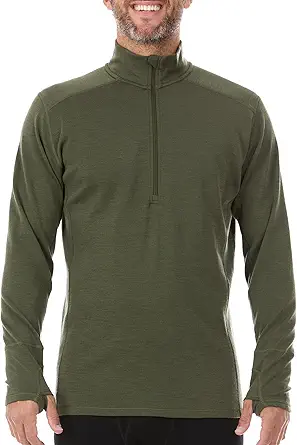
Minus33 Merino Wool Midweight
- Genuine 100% 18.5-micron merino at a fraction of premium-brand pricing
- Made in USA — small-mill construction
- Available in extended sizes (XS–4XL)
Minus33 Merino Wool Midweight makes one argument well: 100% merino wool doesn't have to cost $120. The Midweight proves it. At about half the price of comparable Smartwool or Icebreaker layers, the Minus33 delivers genuine 18.5-micron merino at 240gsm — same fabric category, same performance category, much smaller dent in the credit card.
The trade-offs are real but limited. The fit is more relaxed than premium-brand merino — closer to a casual long-sleeve than an athletic base layer. The seam construction is flatlock but not as fine as Smartwool's Intraknit. The colorway selection is functional, not stylish. Made in USA at a small mill in New Hampshire, which matters to some buyers and not others. None of this affects the core performance: warm, odor-resistant, breathable, machine washable.
Side-by-side with the Smartwool Classic Thermal Crew on a winter trip, the difference shows up at the margins. The Smartwool has slightly better fit through the torso, slightly more refined seam handling, and slightly better long-term shape retention after multiple washes. The Minus33 keeps you exactly as warm and exactly as dry, costs half as much, and starts looking like the smarter buy by year two.
Available in extended sizes (XS to 4XL) — meaningfully wider than most premium merino brands stock. The relaxed fit and extended sizing make this the most accessible 100% merino layer on the list for hikers who don't fit a standard athletic cut. That alone is reason enough to recommend it.
For anyone who wants real merino performance without paying Smartwool or Icebreaker pricing, this is the best answer on the market. The brand recognition lags, but the fabric does not. After a season of wear, most testers stop noticing the price gap and start noticing how often they reach for this shirt over the more expensive options in the drawer.
Pros
- +Genuine 100% 18.5-micron merino at a fraction of premium-brand pricing
- +Made in USA — small-mill construction
- +Available in extended sizes (XS–4XL)
- +Performance matches Smartwool 250 in side-by-side cold testing
Cons
- −Less refined seam construction and fit than premium brands
- −Long-term shape retention slightly trails Smartwool / Icebreaker
The sleeper pick. Real merino without the premium-brand markup, in sizes most competitors don't stock. Hard to argue against.
Falke ESS Long Sleeved ShirtBest-Fitting Base Layer
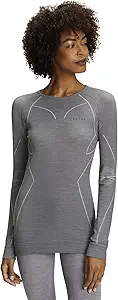
Falke ESS Long Sleeved Shirt
- Seamless body-mapping construction eliminates chafe points
- European athletic cut suits broader range of fit-conscious buyers
- Polyamide/elastane stretch handles overhead and climbing motion
Falke is a German performance sock brand that applied the same obsessive fit engineering to a base layer, and the result is the best-fitting technical shirt in this roundup. The Falke ESS Long Sleeved Shirt uses seamless body-mapping construction — knit as a single piece on a circular machine, with denser zones at the core and more open zones at the underarms and back. There are essentially no seams to chafe against.
The fabric is a polyamide/elastane blend — synthetic, with stretch built into the yarn rather than cut into the pattern. In practice that means the shirt moves with you across a much wider range of motion than woven-stretch fabrics. For climbing, scrambling, and any activity that involves overhead reaching, the difference is real. The brushed interior is soft against skin and brushes warmer than the fabric weight suggests.
Where this falls short of merino options is multi-day odor control — the Falke handles one or two consecutive days well but doesn't match the Icebreaker 200 Oasis Long Sleeve across a thru-hike. Where it falls short of the Patagonia Capilene Midweight Crew is sustainability — Falke does not currently use recycled materials, and the supply chain is less transparent than Patagonia's. Buyers who weigh those factors heavily should adjust accordingly.
What Falke offers that nothing else on the list matches is fit precision. If you have an athletic build and have struggled with merino layers feeling boxy or American-brand synthetics feeling shapeless, the European cut and seamless construction are noticeable improvements. The shirt looks tailored under a softshell or technical jacket, which matters for some buyers and not for others.
Compared to the Under Armour ColdGear, the Falke is a meaningfully better-built shirt at a higher price — finer fabric, better seam construction, more refined fit. Compared to the Arc'teryx Phase AR Crew, the two are closer in quality than in marketing — both are premium synthetic options for people who care about how a base layer fits. Pick by which house cut suits your build.
Pros
- +Seamless body-mapping construction eliminates chafe points
- +European athletic cut suits broader range of fit-conscious buyers
- +Polyamide/elastane stretch handles overhead and climbing motion
- +Brushed interior runs warmer than the fabric weight suggests
Cons
- −No recycled-materials story; supply chain less transparent
- −Multi-day odor control trails real merino options
The technical shirt for buyers who care about fit. Not the warmest, not the most sustainable, but the best-fitting synthetic on the list.
Questions Worth Asking
Common base layers questions.
Related Guides