The Field Manual ⟶ TRAVEL
Pack it. Live with it. Travel light.
Travel backpacks that survive 100 trips. Daypacks that double as carry-ons. Polarized sunglasses for every climate. Gear for people who go places.
3 Reviews
Field Notes
Travel gear takes a different kind of beating than outdoor gear — not the wear of a single big trip, but the accumulated damage of baggage handlers, overhead bins, and a hundred small collisions across dozens of flights. A backpack that looks rugged in a product shot can shred at the seams after a few rounds through airport conveyor belts, which is why we track our test packs across real multi-trip use rather than a single weekend away.
The line between "travel" and "hiking" gear blurs constantly in this hub, and that's intentional — the same pack that gets you through airport security often needs to survive a trailhead the next day. Carry-on compliance, organization, and durability get equal weight in every guide, because a pack that fails at any one of those isn't one we'll put our name behind.
What You Need
Reviews for Travel gear.
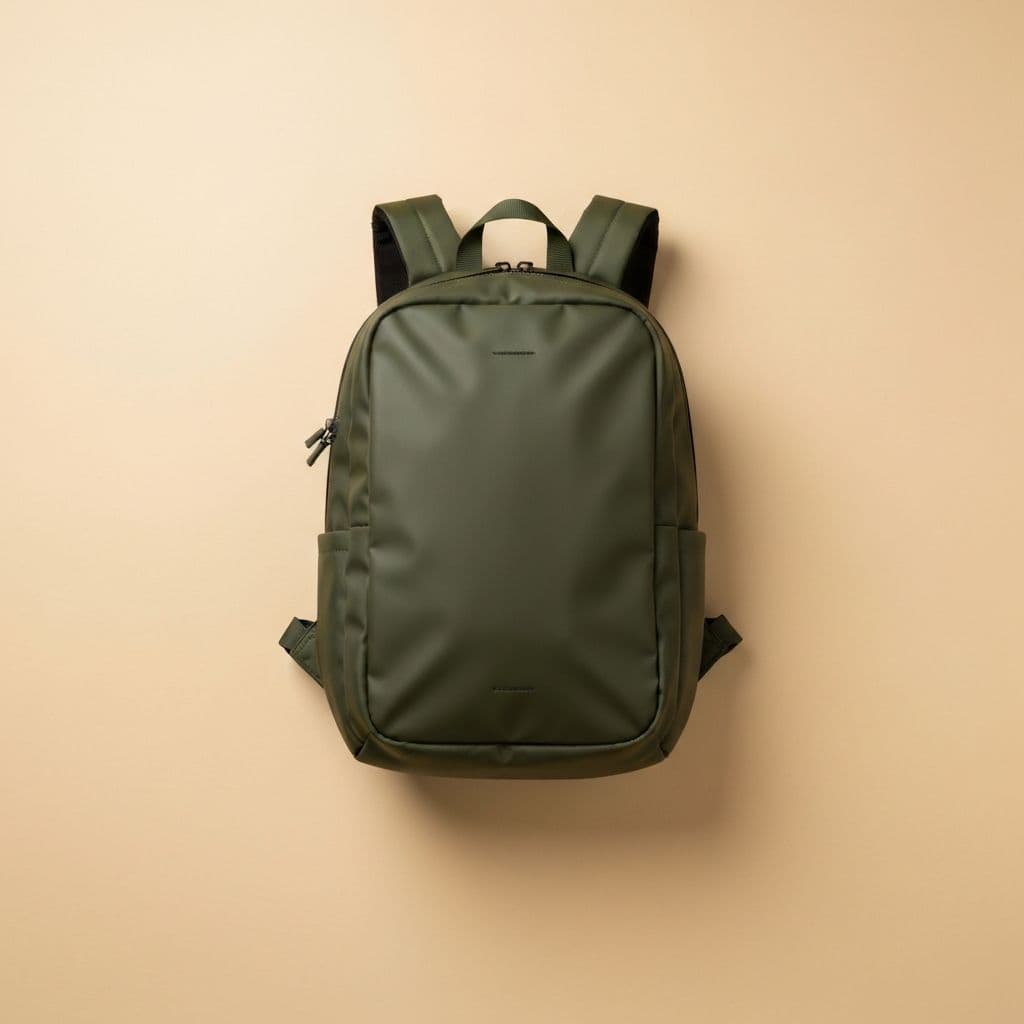
The Best Travel Backpacks
Carry-on compliant, durable, organized. The packs we use for actual trips.
Read review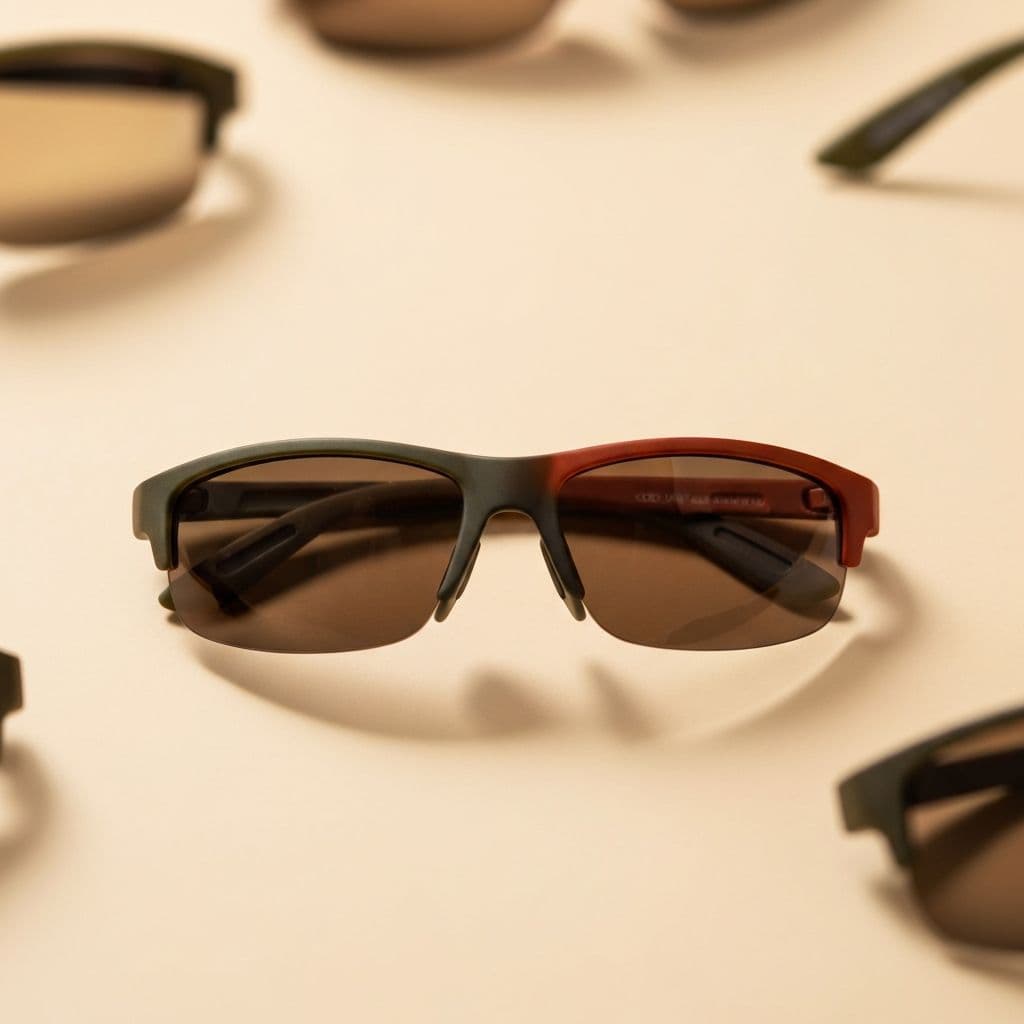
The Best Polarized Sunglasses for Men & Women
Cuts glare, doesn't slide off, doesn't break the bank. Tested on water and trail.
Read review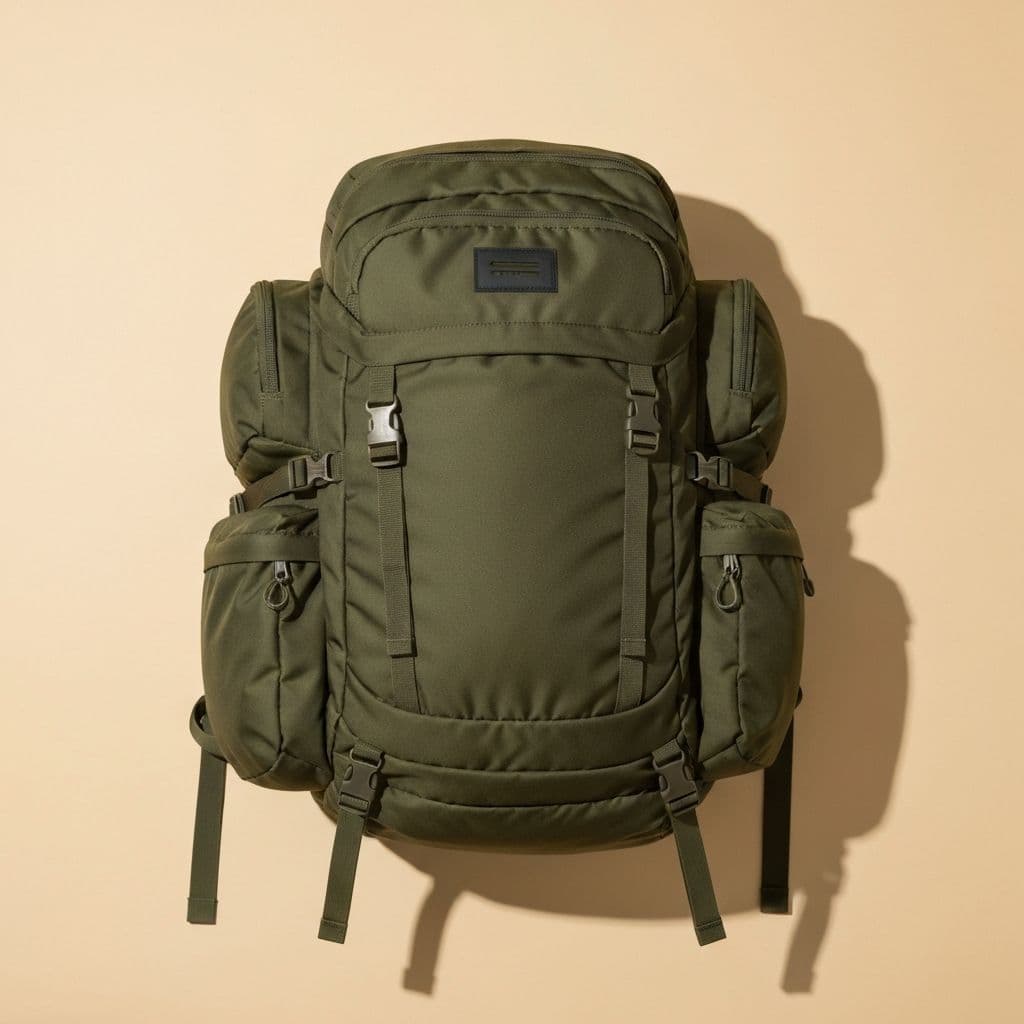
The Best Hiking Backpacks — Daypacks & Multi-day
From 18L summit packs to 65L thru-hikers. Fit guidance included.
Read reviewHow to Choose
What to look for in travel gear.
A travel pack is a set of compromises between capacity, carry-on rules, and comfort. Knowing which compromises to make is the whole game.
Carry-on compliance
Most airlines cap carry-on bags around 22 x 14 x 9 inches, but the limits vary and budget carriers enforce them aggressively. A 40-liter pack is the sweet spot that maximizes space while staying compliant on most airlines. Beware of packs that only hit their advertised capacity once stuffed past compliant dimensions — a pack that fits empty but bulges over the sizer loaded is a gate-check waiting to happen. Structured panels help it hold a legal shape.
Access and organization
Panel-loading packs that open flat like a suitcase make living out of a bag far easier than top-loaders, which force you to dig. Look for a separate laptop sleeve reachable without opening the main compartment for security lines, and enough internal organization to keep things findable without so many pockets that you forget where anything is. Compression straps keep a half-full pack from turning into a shifting mess.
Durability that survives handlers
Travel destroys gear through accumulated abuse — conveyor belts, overhead bins, being wedged under seats. High-denier fabric (like 400D+ nylon), YKK zippers, and bar-tacked stress points are the difference between a pack that lasts a hundred trips and one that splits a seam on trip five. Water-resistant coatings help, but zipper quality is the single most common failure point, so don't skimp there.
Fit for your body and trip
A pack you'll carry for hours needs a real harness — load-bearing shoulder straps and a hip belt that transfers weight off your shoulders. Torso length matters more than height; many packs come in sizes or adjust. For shorter trips or as a personal item, a smaller daypack that packs flat inside the main bag doubles your options without doubling your load. Match the pack to how you'll actually move, not the longest trip you might someday take.
Across the Site
Travel-adjacent gear from across the site.
Try Another Trail