The Field Manual ⟶ SNOW
When the snow flies.
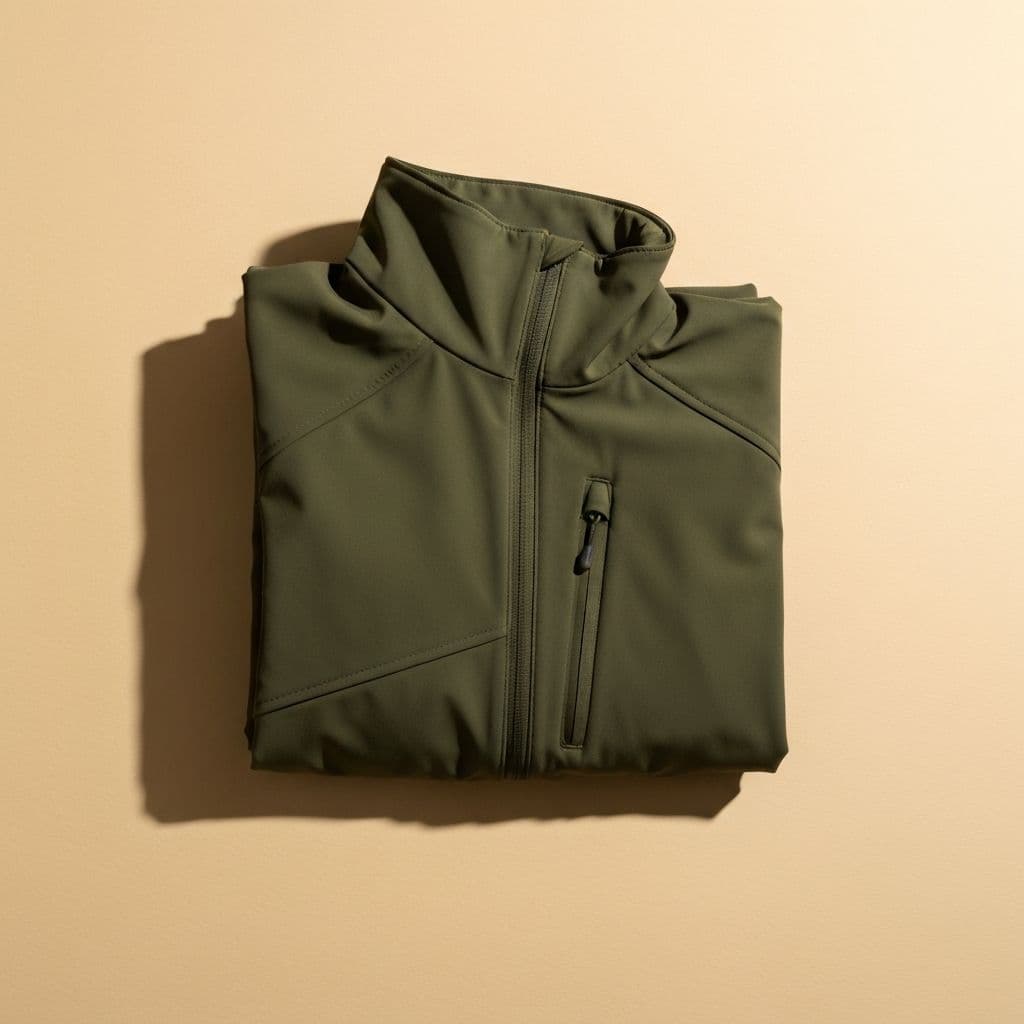
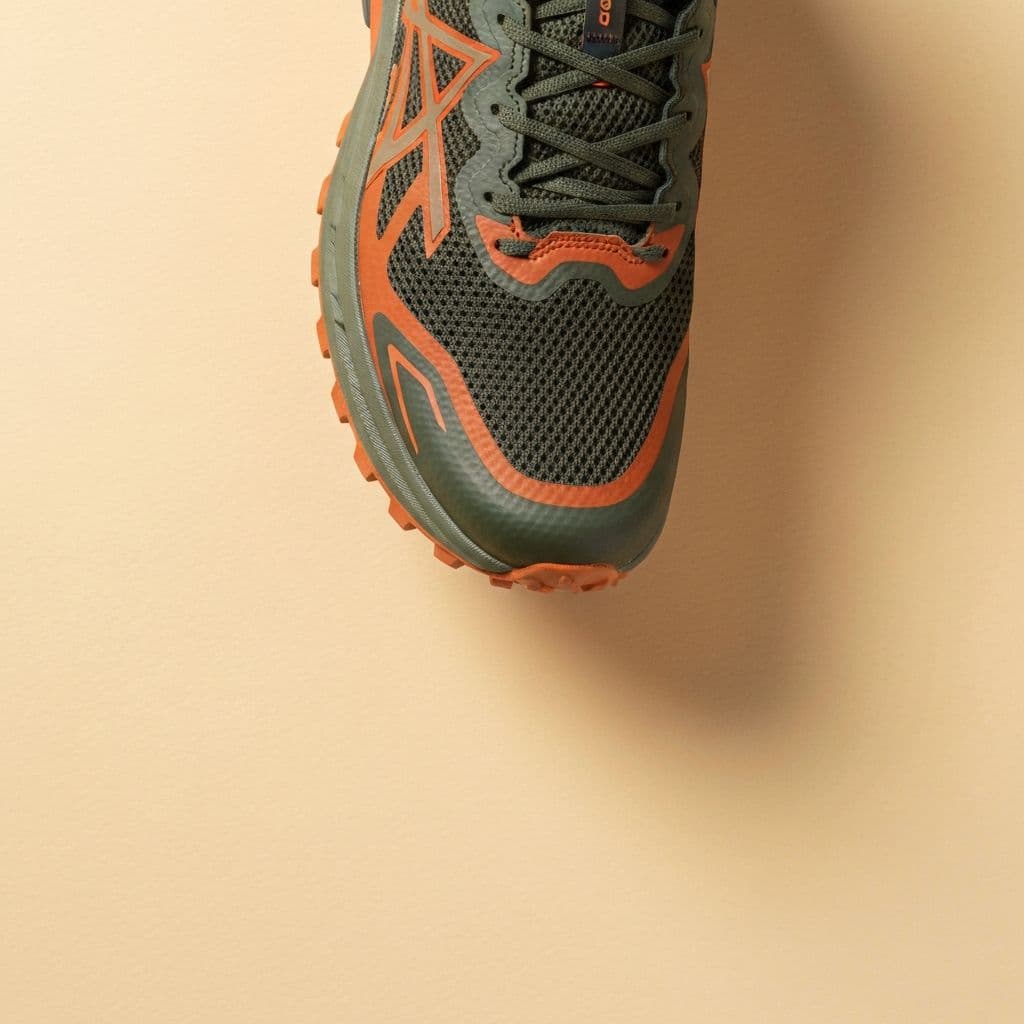
Jackets that block the wind, boots that walk to the lift, layers that handle minus-twenty. Cold-weather gear we'd take on a real trip.
3 Reviews
Field Notes
Snow gear has to survive a specific kind of abuse — wind chill, wet snow soaking through seams, and hours of standing around on a lift line where your body isn't generating heat the way it would on the move. We test ski jackets and winter boots across actual resort days and backcountry outings, not just a walk around the block in cold weather, because the failures that matter — a zipper that lets in wind, a boot liner that goes damp and stays damp — only show up after real exposure.
Warmth ratings on this hub are described the way we experienced them, not the way brands market them. A jacket rated for "extreme cold" that leaves you sweating on a moderate resort day, or a boot that's warm standing still but useless once you're walking a lift line, gets called out for exactly that.
What You Need
Reviews for Snow gear.
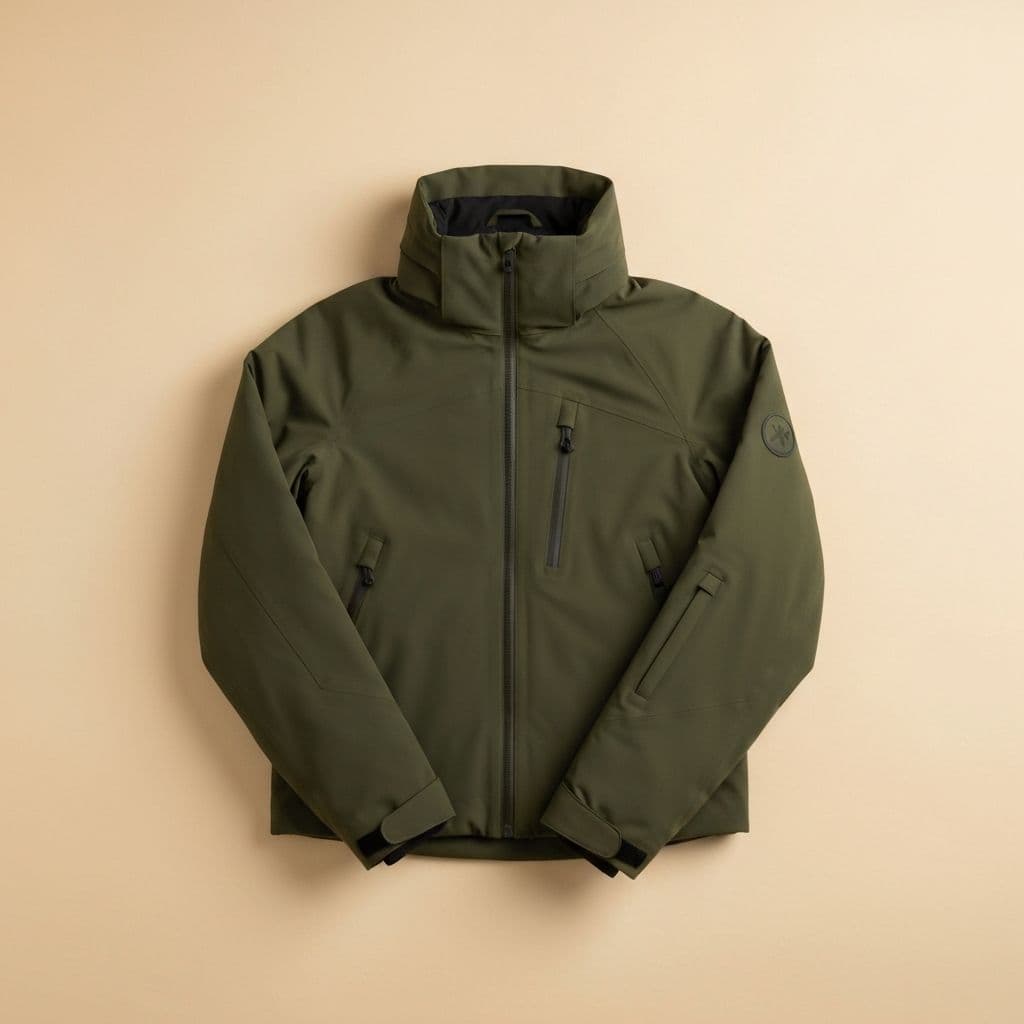
The Best Ski Jackets — Men & Women
Resort to backcountry. Insulation, shell, and hybrids that actually keep you dry.
Read review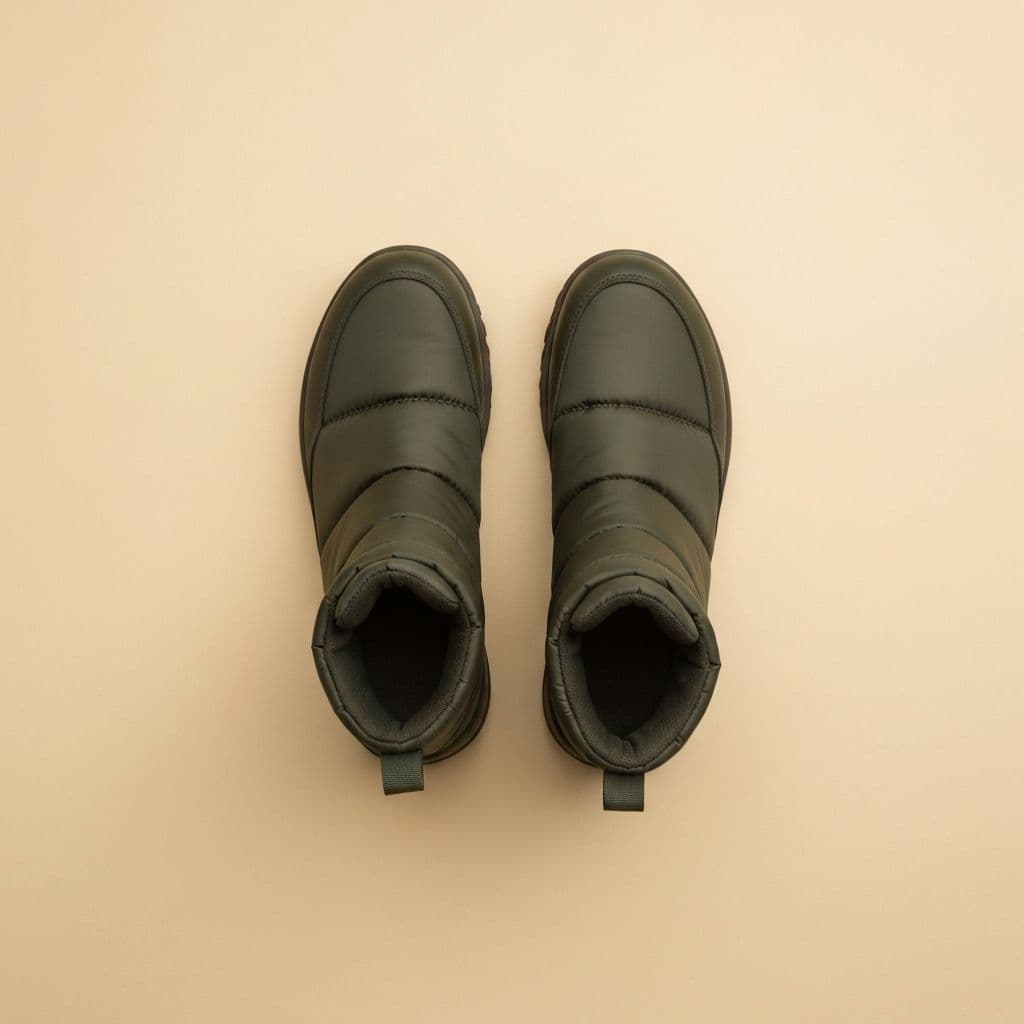
The Best Winter Boots — Men & Women
Pac boots, snow boots, lifestyle winter boots. Warmth ratings explained honestly.
Read review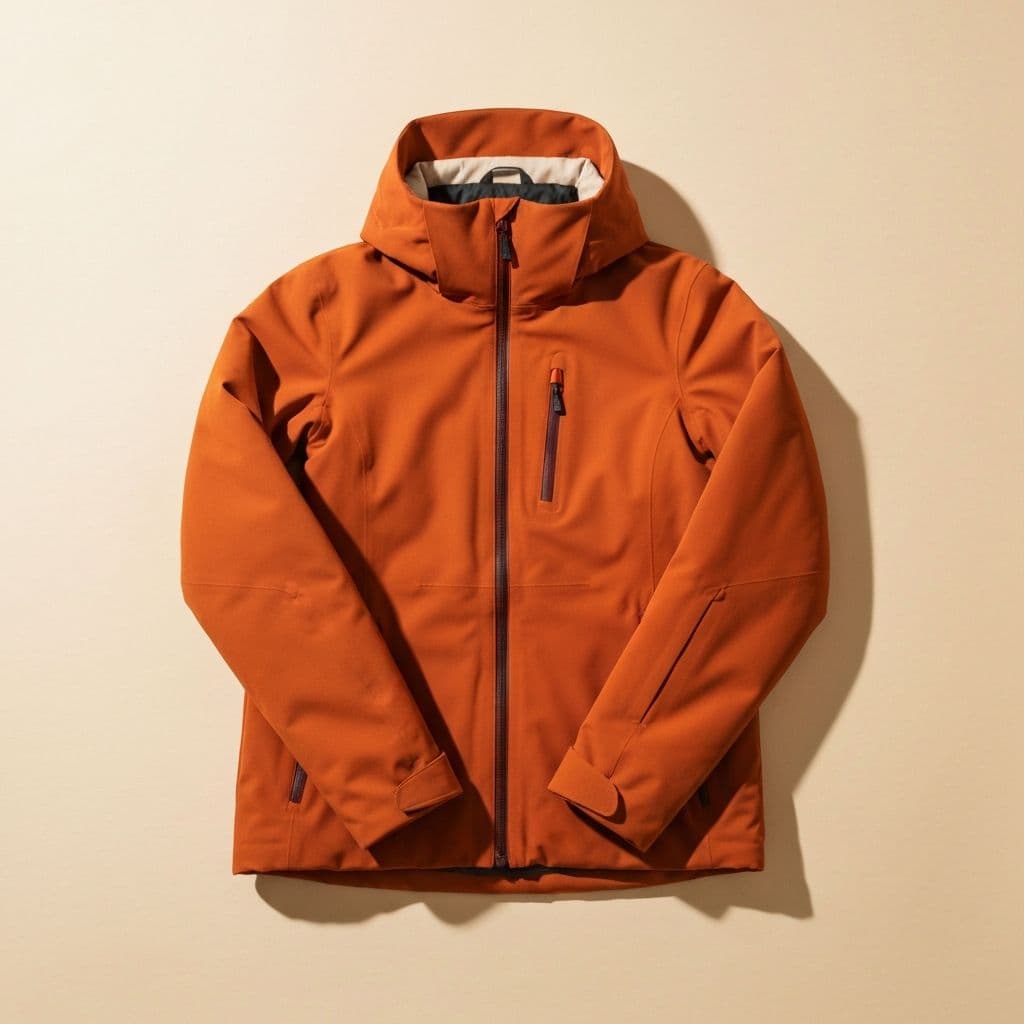
The Best Women's Ski Jackets
Women-specific cuts, fits, and the brands that get it right on snow.
Read reviewHow to Choose
What to look for in snow gear.
Staying warm on snow is about a system, not a single miracle garment. Get these fundamentals right and the cold stops being the thing you think about.
Insulated vs. shell jackets
Insulated jackets bundle warmth and weather protection into one layer — simple and warm for resort days and lift lines where you're not working hard. Shells provide waterproof, breathable protection with no insulation, letting you dial warmth with layers underneath; they're the choice for backcountry touring and anyone who runs hot or whose activity level swings. Hybrids split the difference. Decide based on how hard you move and how much your conditions vary.
Read warmth honestly
Insulation weight (measured in grams) and down fill power give a rough guide, but real warmth depends on fit, layering, and activity. A jacket that's toasty standing at a lift line can leave you drenched in sweat on a skin track. We describe warmth as we experienced it across real days, because a number on a hangtag doesn't account for the wind cutting through a cheap zipper or a hood that won't seal around a helmet.
Boots: warmth you can walk in
Winter boots are a trade-off between insulation, waterproofing, and walkability. Pac boots with removable liners are warmest and best for standing around in deep cold; lower-profile insulated boots walk better for active use. Check the temperature rating but weight it against how much you'll actually move — a boot that's warm standing still but clumsy on a walk to the lift solves the wrong problem. Traction on packed snow and ice matters as much as insulation.
Layer from the skin out
No outer layer works without the right foundation. A moisture-wicking base layer (merino or synthetic, never cotton) keeps sweat off your skin so you don't chill when you stop moving; a mid-layer traps warmth. The most common cold-weather mistake isn't a jacket that's not warm enough — it's a damp cotton base layer sabotaging an otherwise good system.
Across the Site
Snow-adjacent gear from across the site.
Try Another Trail