The Field Manual ⟶ PADDLE
On the water, on your terms.
Inflatable kayaks that pack down. PFDs that don't ride up. Water shoes that drain. Tested where it matters — out on the water.
4 Reviews
Field Notes
Paddle gear gets a rougher test than almost anything else we review, because the water doesn't care what a spec sheet says. An inflatable kayak that tracks straight in a marketing video can wander badly in real current, and a PFD rated "comfortable" by the manufacturer can still ride up around your ears the moment you actually paddle hard. We take every product on this hub onto actual water — lakes, rivers, coastal put-ins — before it earns a spot in a guide.
Fit and function matter more here than almost any other category. A life jacket has one job, and it has to do it without restricting the exact motion paddling requires. That's why our PFD testing focuses as much on mobility and comfort during real strokes as it does on USCG approval — a jacket that technically passes but rides up under load isn't one we'll recommend.
What You Need
Reviews for Paddle gear.
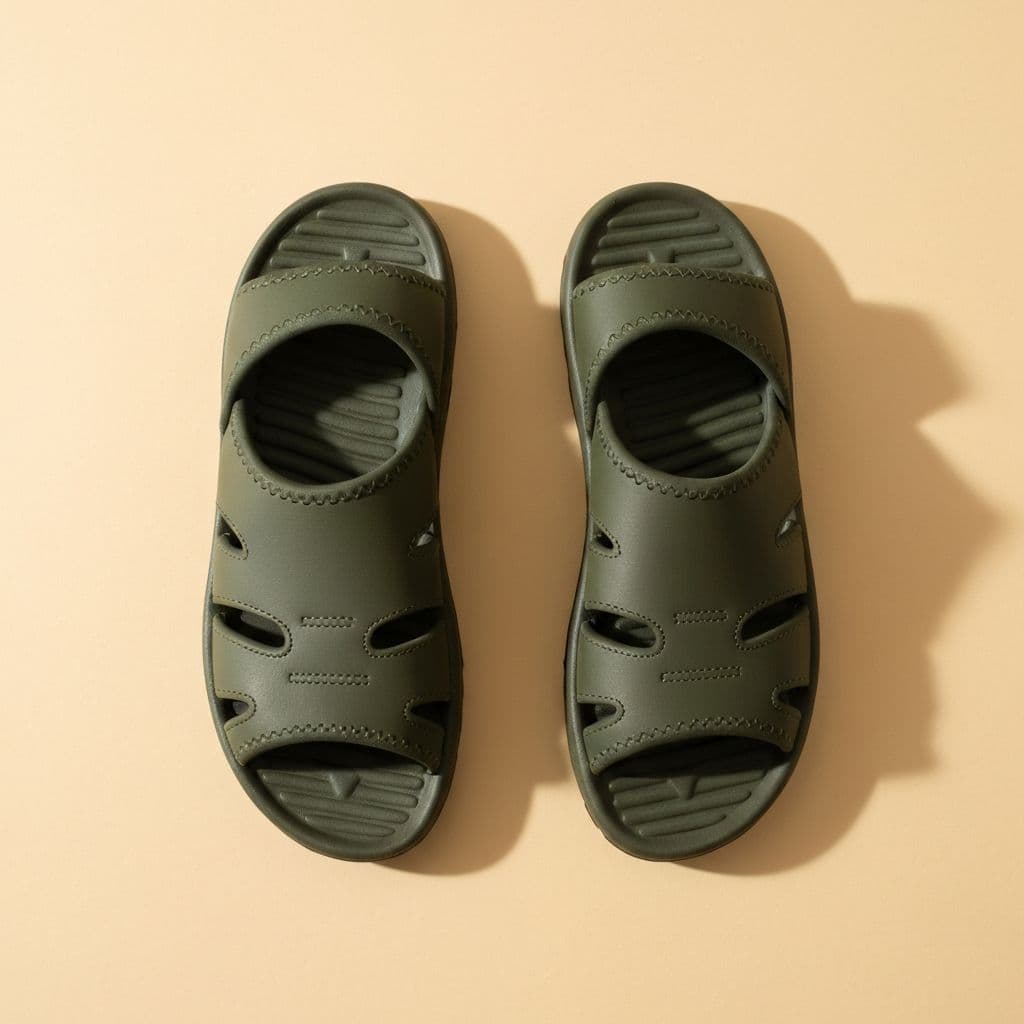
The Best Water Shoes for Men & Women
Drainage, grip, all-day comfort wet or dry. Beach to river to portage trail.
Read review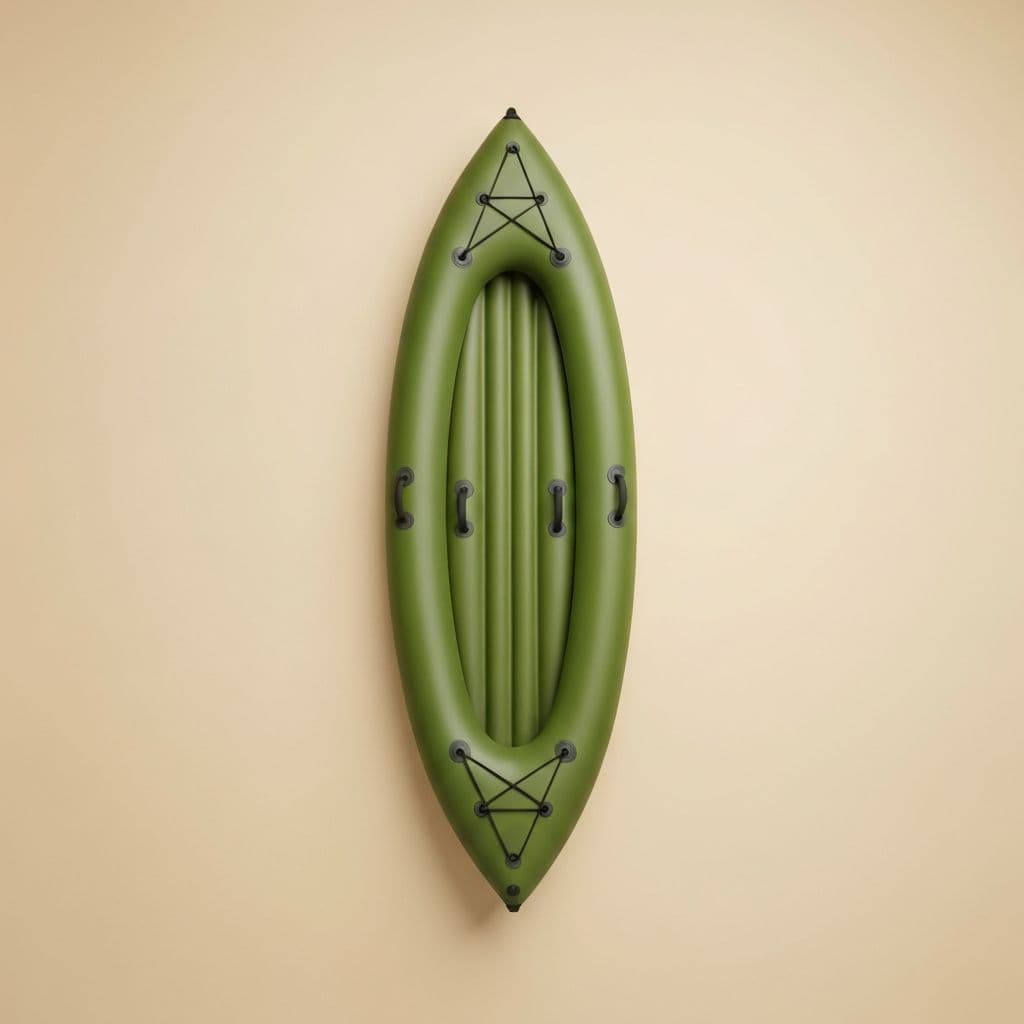
The Best Inflatable Kayaks
Pack-down, set up in minutes, track straight. The inflatables that don't compromise.
Read review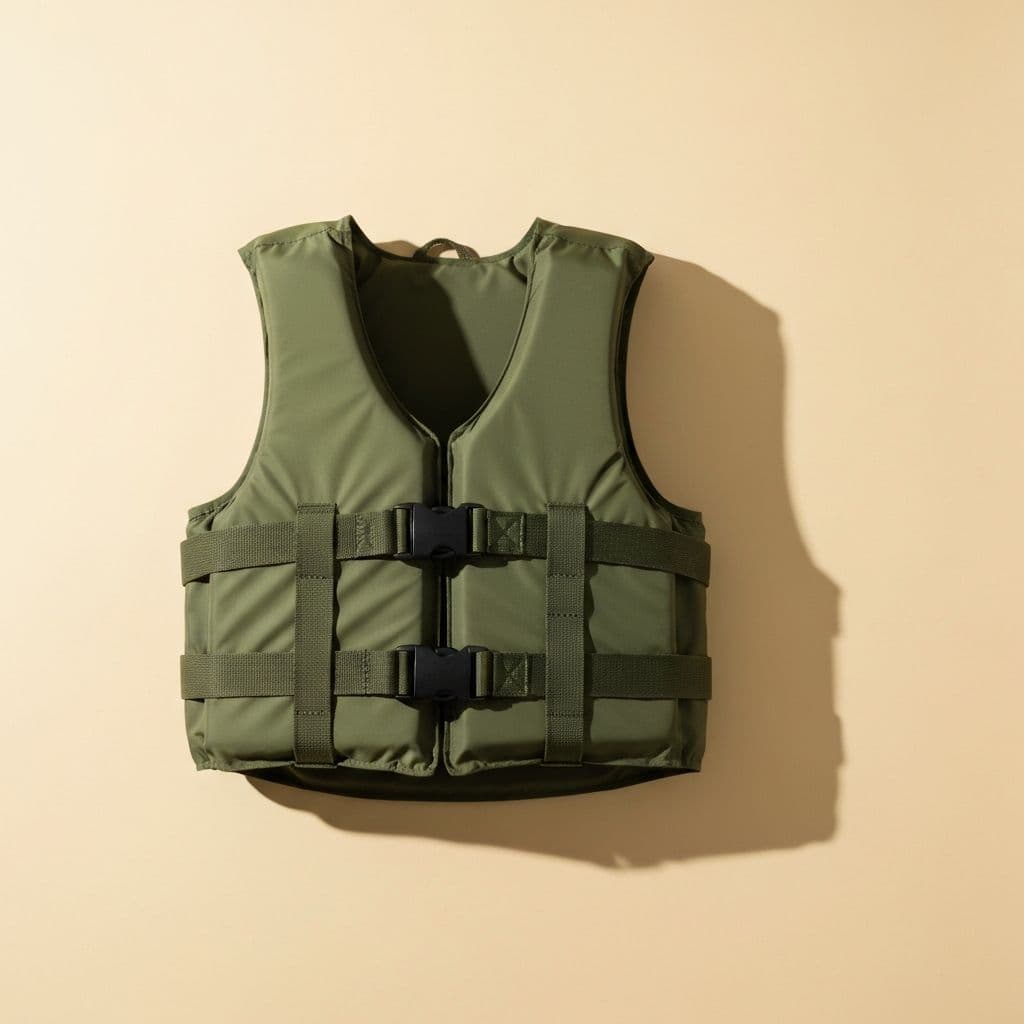
The Best Life Jackets & PFDs for Kayaking
Type III paddling-specific PFDs. Comfort, mobility, USCG approval explained.
Read review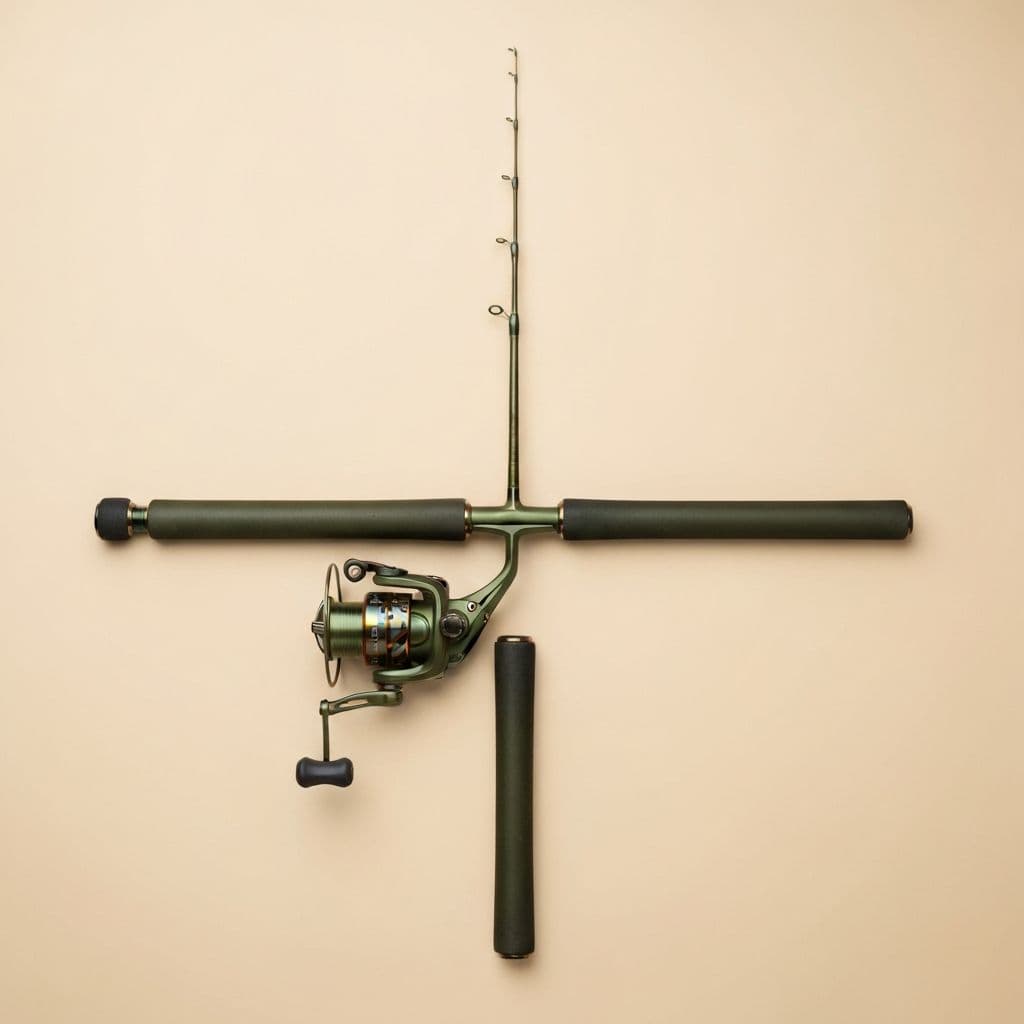
The Best Fishing Rods
Casting, spinning, and travel rods tested from kayaks, shorelines, and boats.
Read reviewHow to Choose
What to look for in paddle gear.
Paddle gear is safety gear as much as sport gear. These are the factors that separate equipment you can trust from equipment that just looks the part.
PFD fit and type
For paddling, a Type III PFD sized to your chest and cinched snug is the standard — it should not ride up when you lift your arms overhead. Paddling-specific jackets have high-cut armholes and thinner foam at the shoulders so your stroke isn't restricted. Try it on and mimic a full stroke before buying. A jacket that's technically Coast Guard approved but rides up under load is one you'll be tempted to leave unzipped, which defeats the point.
Inflatable vs. hardshell tracking
Modern drop-stitch inflatable kayaks have closed the gap with hardshells for recreational use, but tracking still varies widely. Look for a rigid, high-pressure floor and a skeg or tracking fin — without one, inflatables wander in wind and current. Hardshells still win for speed and precise handling, but if storage or transport is your constraint, a good inflatable that packs into a bag is the boat you'll actually use.
Match the boat to the water
Wider, shorter boats are stable and forgiving for flatwater and beginners; longer, narrower hulls are faster and track better but feel tippy at first. Recreational paddling on calm lakes has very different requirements than moving water or coastal touring. Be honest about where you'll paddle most, and prioritize stability if you're new — confidence on the water matters more than a couple of theoretical miles per hour.
Sun, glare, and exposure
Open water offers zero shade and doubles the sun's intensity with reflection. Polarized sunglasses aren't a luxury — they cut surface glare so you can actually see, and a retention strap keeps them out of the water. Add a brimmed hat and you've solved the exposure problem that ends more paddling days early than cold or fatigue ever will.
Across the Site
Paddle-adjacent gear from across the site.
Try Another Trail