The Field Manual ⟶ FOOTWEAR
Everything starts with your feet.
Running shoes that don't blow out at mile 200. Hiking boots that don't blister. Trail runners, water shoes — tested by us, on trails, with our own money.
7 Reviews
Field Notes
Footwear is the category where the gap between marketing and reality is widest. A shoe's stated weight, stack height, and drop tell you almost nothing about whether it'll leave you blistered at mile eight or carry you comfortably through a 20-mile day. Fit is everything, and fit is personal — which is why our reviews lean hard on how a shoe actually behaves on foot over weeks of use, not on the spec sheet a brand hands out at launch.
We put every pair through the terrain it's built for: road miles for daily trainers, technical singletrack for trail runners, rocky descents and river crossings for hiking boots and water shoes. We track how the midsole foam holds up as it ages, whether the upper packs out, and how the outsole grips once the lugs have some wear. Everything here was bought at retail, worn hard, and judged on whether we'd spend our own money on it again.
What You Need
Reviews for Footwear gear.
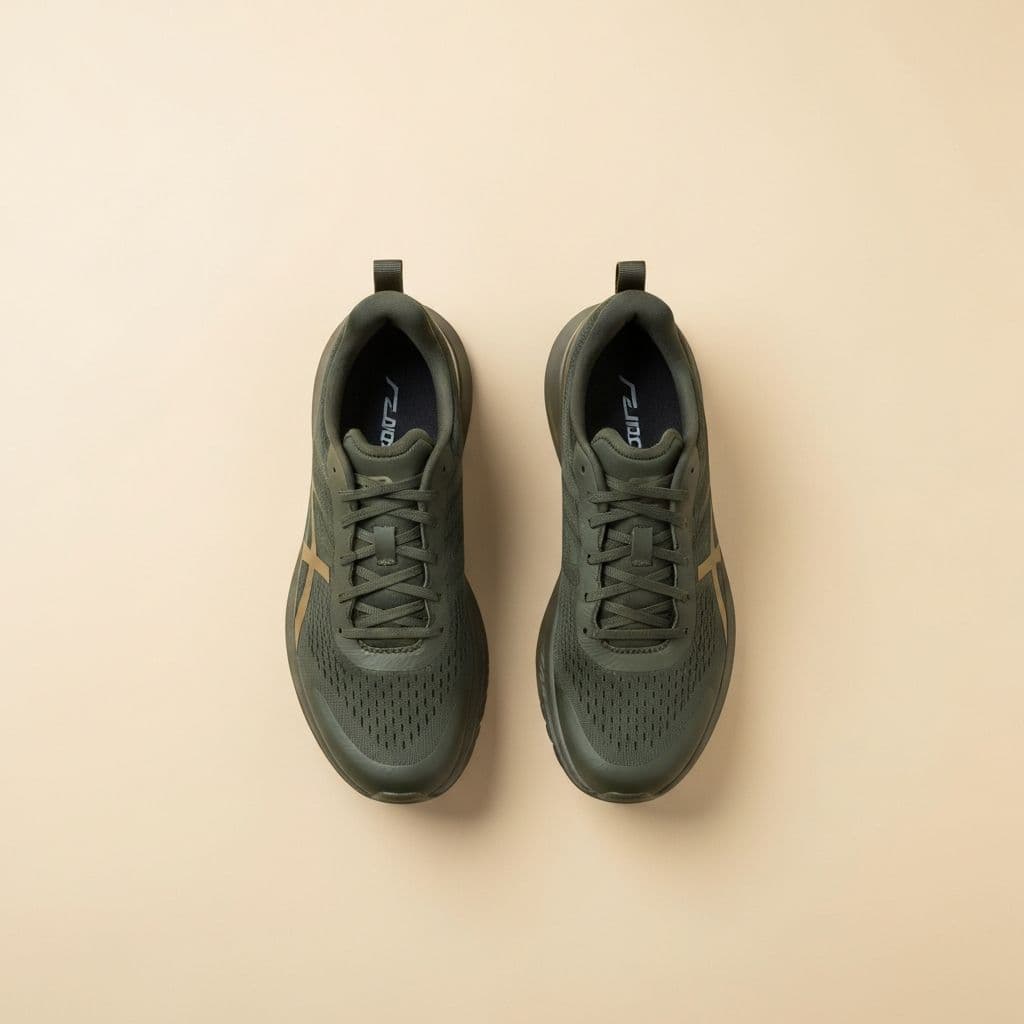
The Best Running Shoes — Men & Women
Daily trainers, max-cushion, race-day. The shoes we'd pay our own money for.
Read review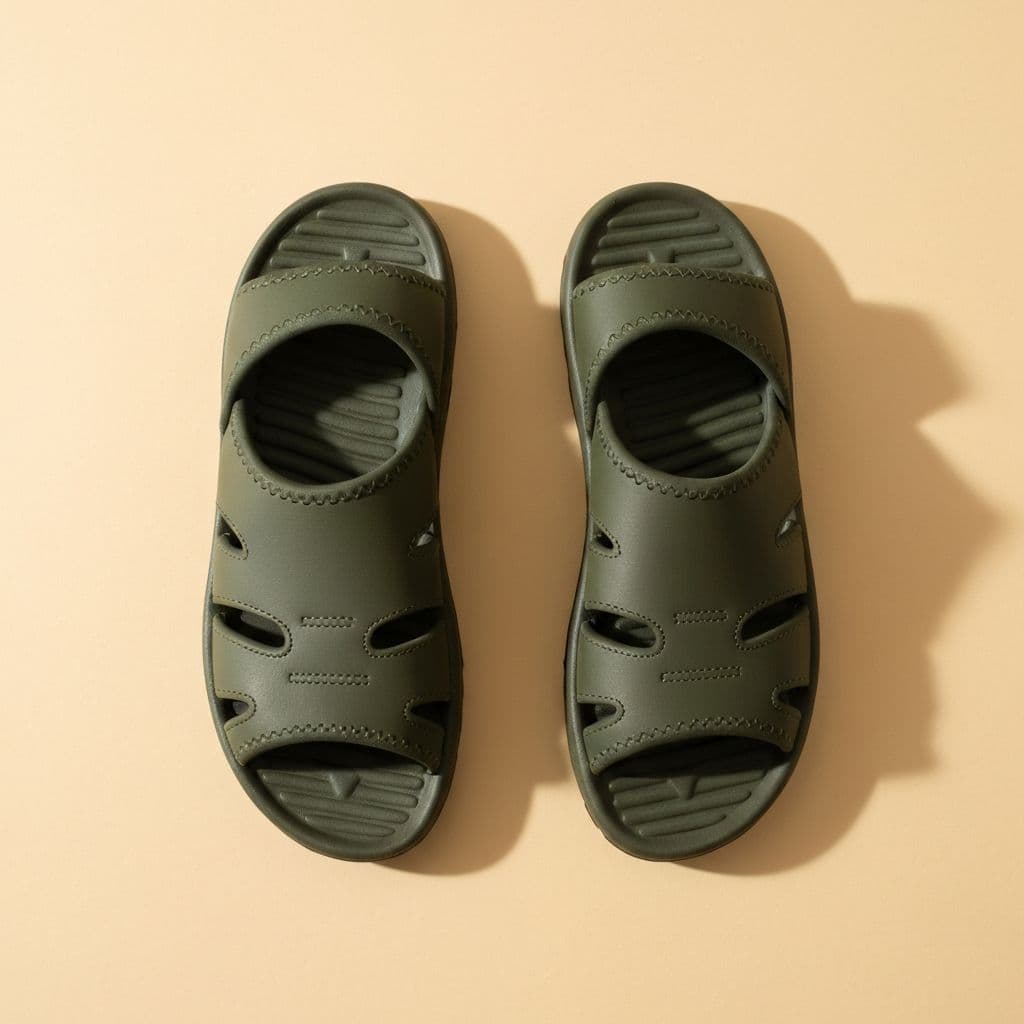
The Best Water Shoes for Men & Women
Drainage, grip, all-day comfort wet or dry. Beach to river to portage trail.
Read review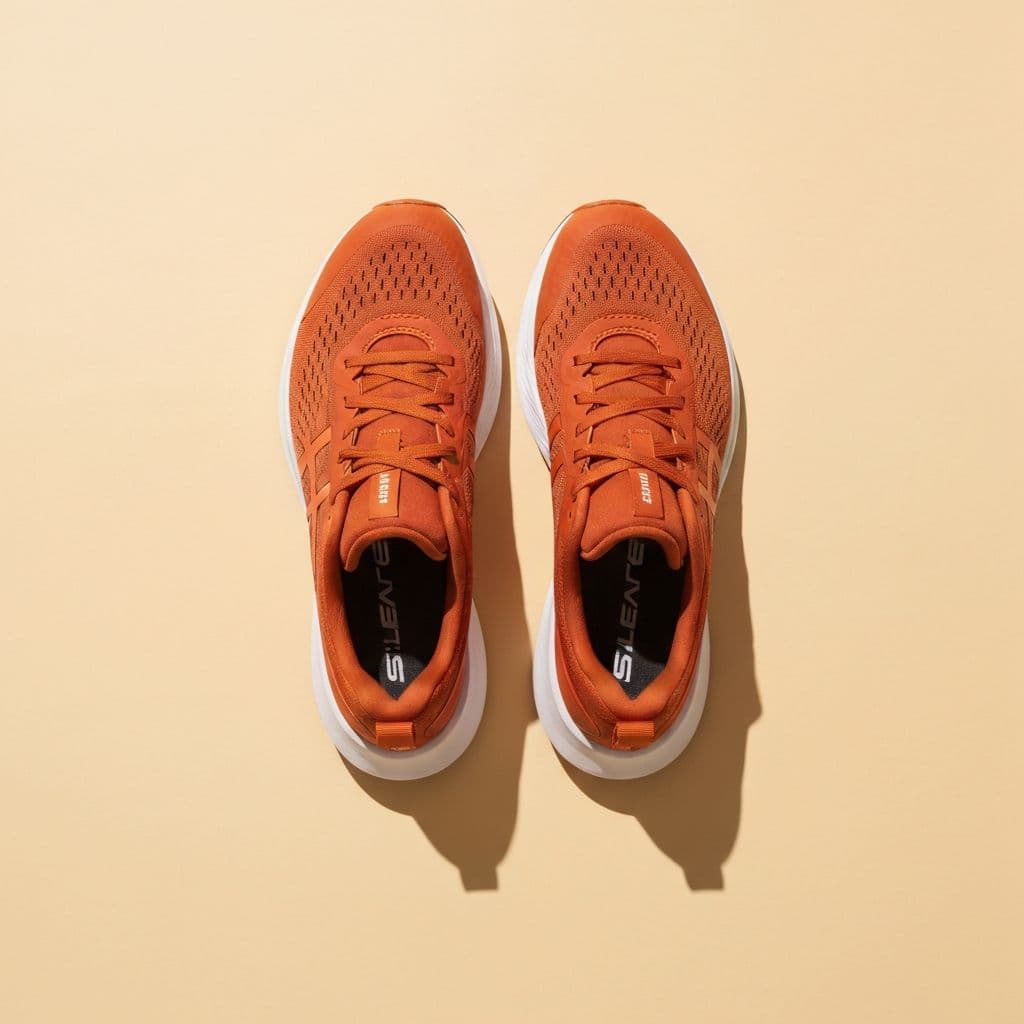
The Best Running Shoes for Women
Women-specific fit and the models that hold up through hundreds of miles.
Read review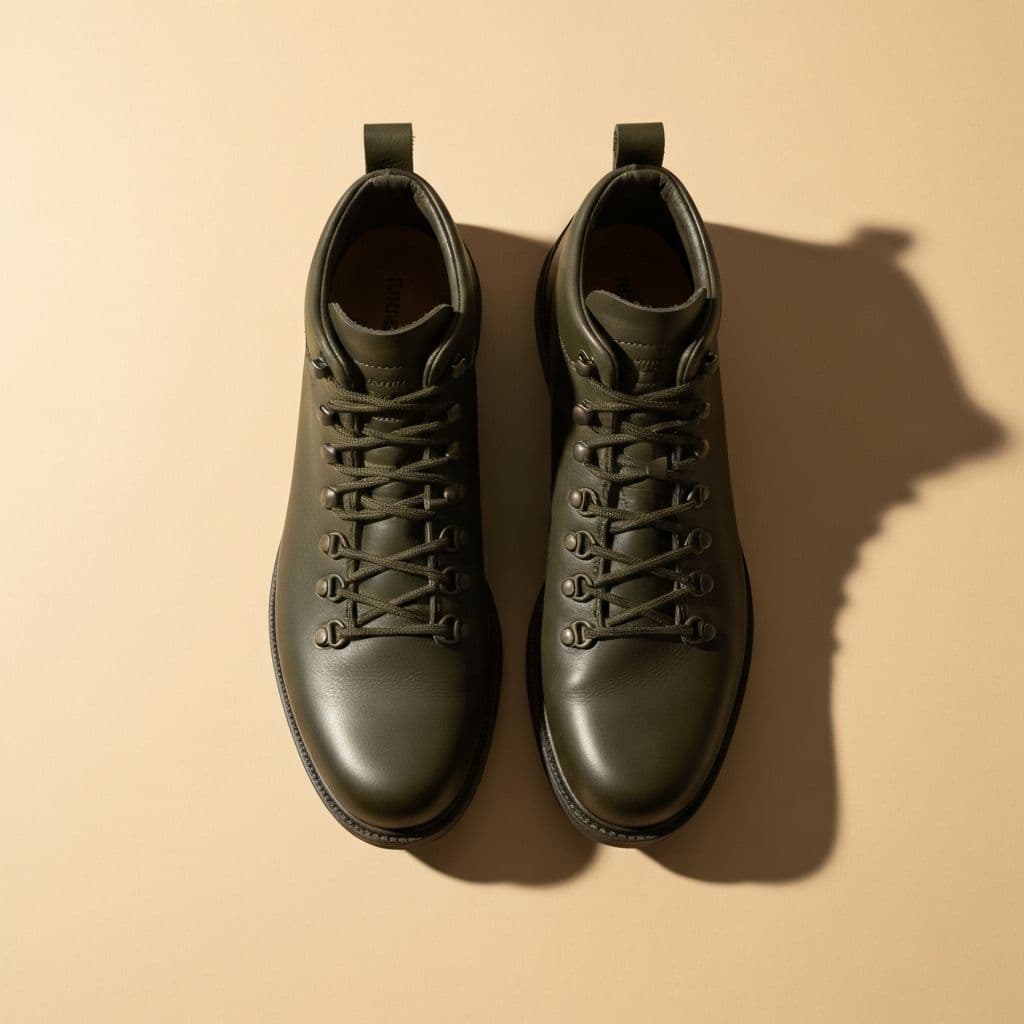
The Best Hiking Boots — Men & Women
Day-hike comfort to backpacking durability. Tested on rock, mud, 20-mile days.
Read review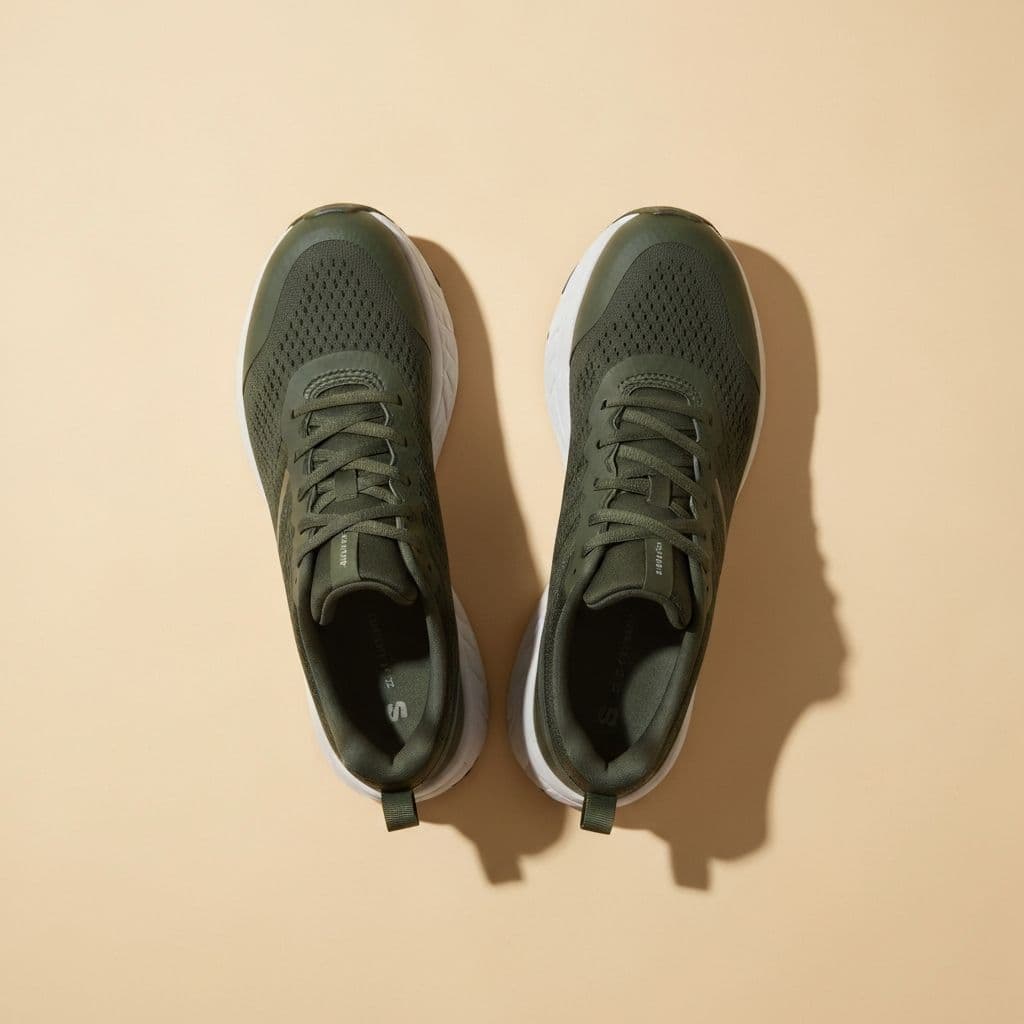
The Best Running Shoes for Wide Feet
True wide options — not lazy 2E recommendations. Real fit guidance.
Read review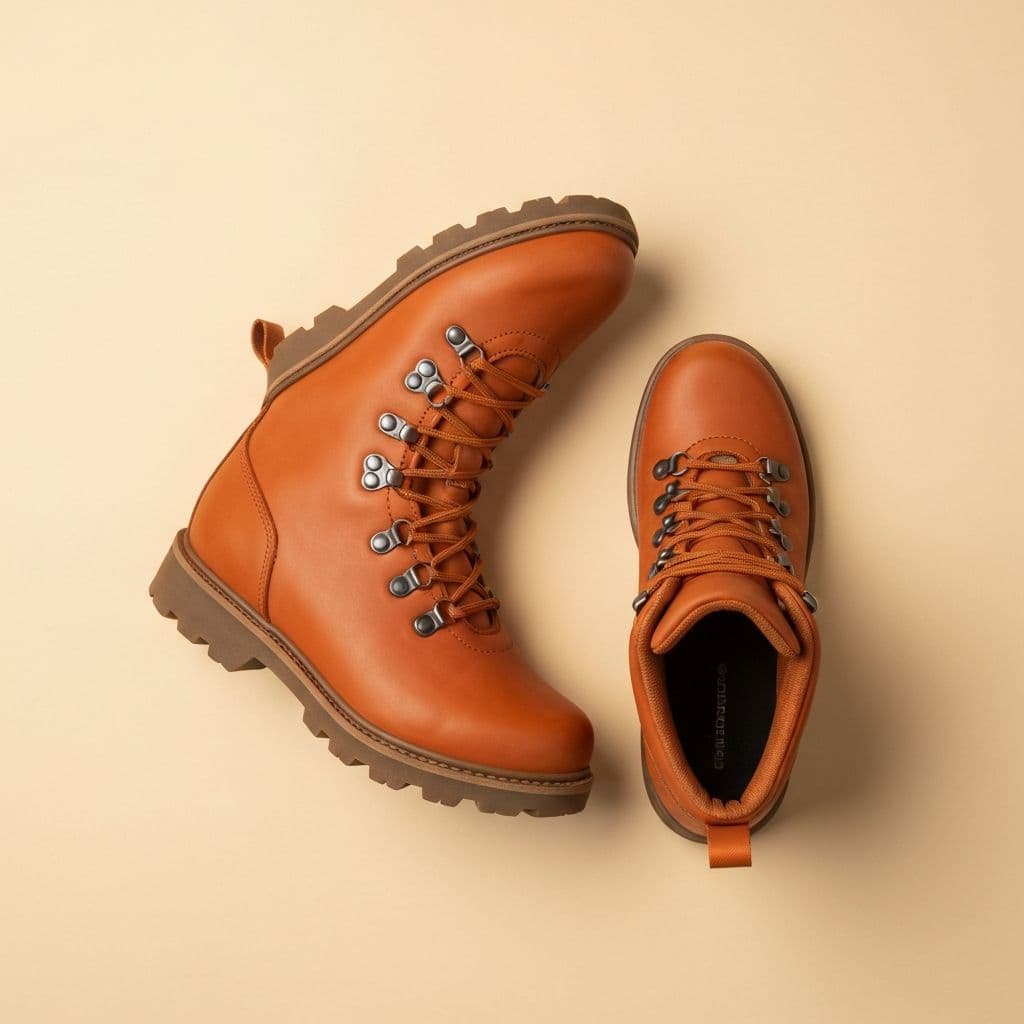
The Best Women's Hiking Boots
Women-specific lasts, fit notes, and the brands worth your money.
Read review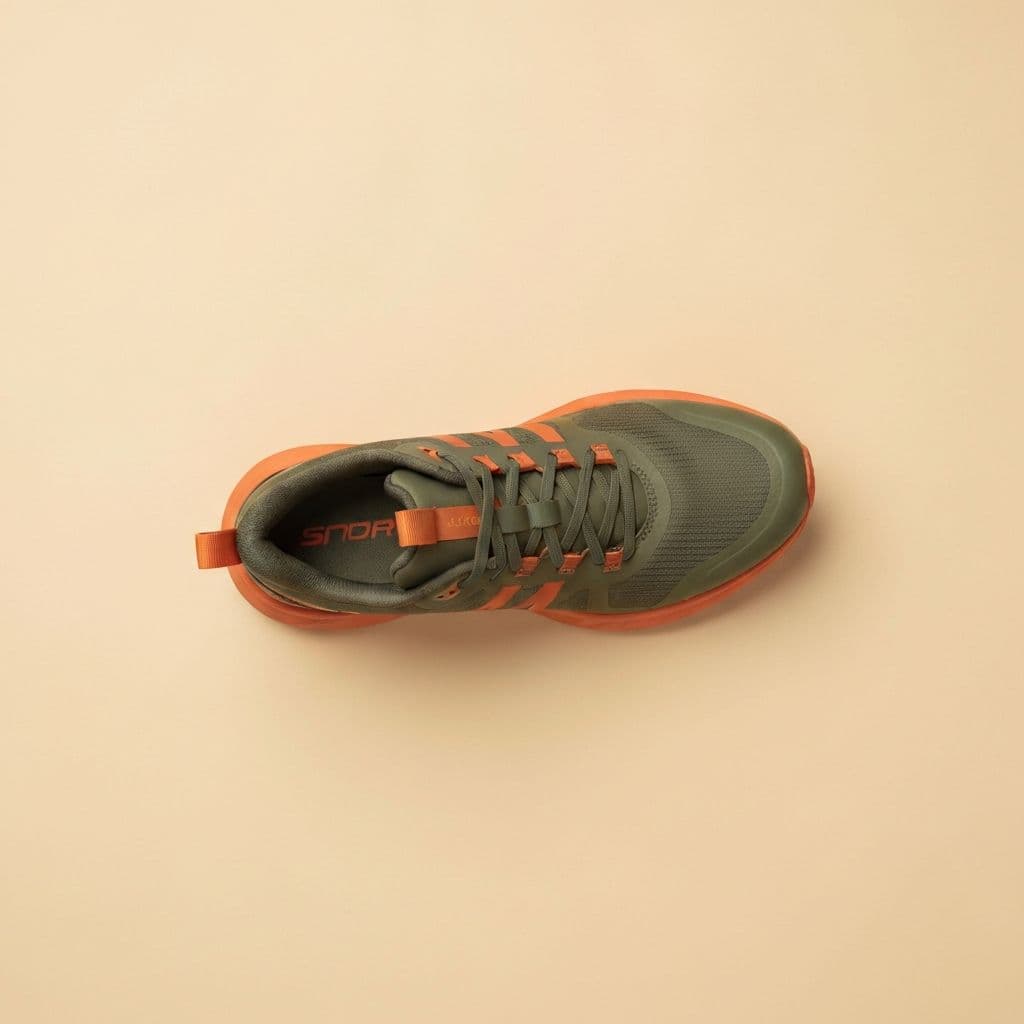
The Best Trail Running Shoes
Grippy, protective, fast on technical terrain. From ultra to weekend trails.
Read reviewHow to Choose
What to look for in footwear gear.
Before you commit to a pair, these are the factors that actually separate footwear that lasts from footwear that disappoints.
Fit comes before everything
No amount of cushioning or grip compensates for a shoe that doesn't fit your foot shape. Pay attention to the last (the foot-shaped mold a shoe is built around), toe-box width, and heel hold. Try shoes on late in the day when your feet are at their largest, and leave a thumb's width of space ahead of your longest toe. If a brand's standard width runs narrow for you, look for a true wide option rather than sizing up.
Match cushioning to your use
Stack height and foam softness are trade-offs, not upgrades. Max-cushion shoes protect your legs on long, easy miles but feel unstable on technical terrain and during fast efforts. Lower, firmer shoes give you ground feel and stability for speed work and rocky trails but transmit more impact. Be honest about the miles you actually run or hike, not the ones you aspire to.
Outsole and traction for your terrain
Road shoes want durable, smooth rubber; trail shoes want aggressive lugs sized to the surface — shallow for hardpack, deep and widely spaced for mud. Water shoes need drainage ports and a grippy compound that works on wet, algae-slick rock. A shoe over-built for your terrain just adds weight and stiffness you'll feel every step.
Durability and when to replace
Most running shoes are done between 300 and 500 miles, when the midsole foam loses its rebound even if the upper looks fine. Hiking boots last far longer but watch for outsole wear and a softening midsole. Rotating between two pairs extends the life of both and lets foam decompress between uses. If you're getting new aches, your shoes are often the culprit before your training is.
Across the Site
Footwear-adjacent gear from across the site.
Try Another Trail