The Field Manual ⟶ APPAREL
What you wear matters more than where you go.
Rain jackets that actually keep you dry. Base layers that don't stink after three days. The clothes you forget you're wearing — until the weather turns.
5 Reviews
Field Notes
Apparel is where marketing language does the most damage. "Waterproof" and "water-resistant" get used interchangeably on product pages, breathability claims rarely survive an actual sweaty climb, and a base layer that smells fine in the store can turn rank after one long day. We wear everything on this hub through the conditions it's supposed to handle — actual rain, actual sweat, actual multi-day trips without a laundry machine in sight.
The goal isn't to find the most expensive option in each category. It's to find the piece that does its one job — keeping you dry, warm, or comfortable — without you having to think about it. If a $60 rain jacket outperforms a $300 one in a real downpour, that's what we'll tell you, even if it means fewer affiliate dollars on our end.
What You Need
Reviews for Apparel gear.
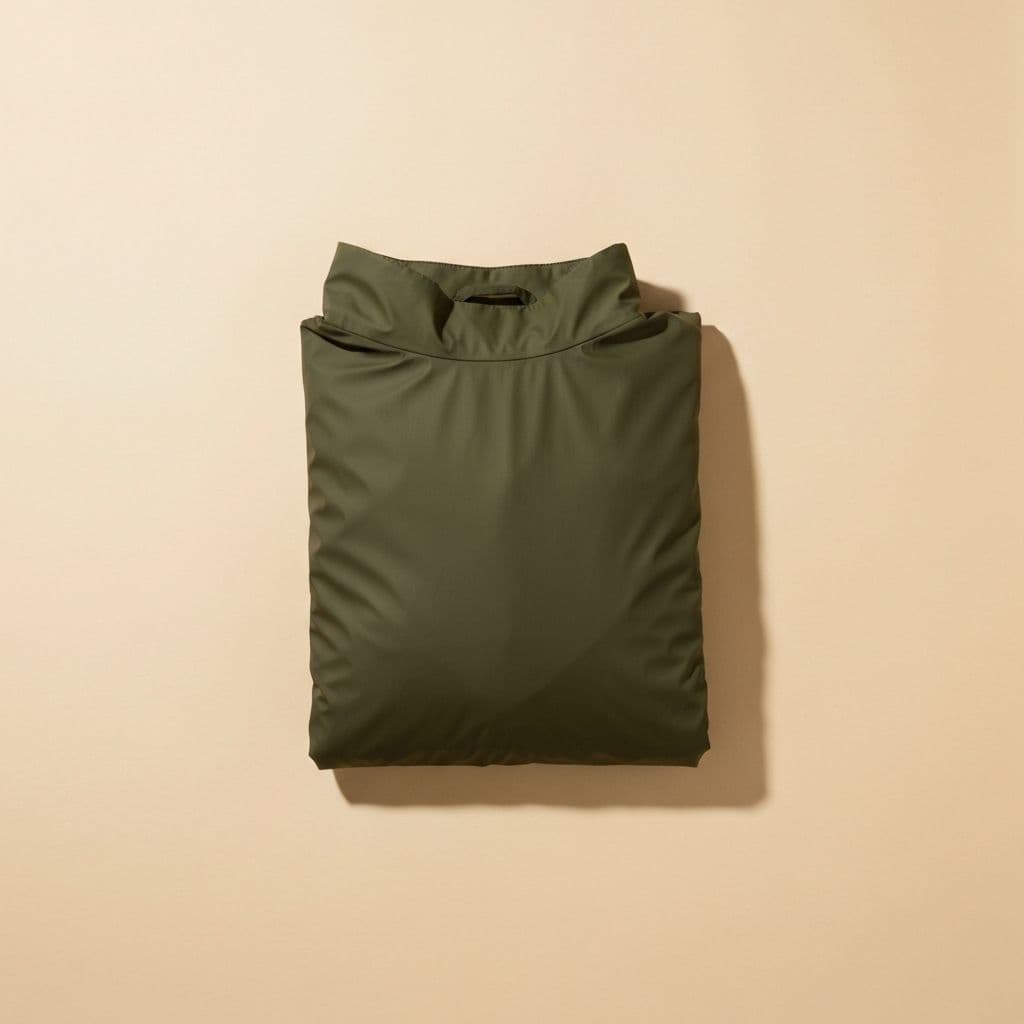
The Best Rain Jackets — Men & Women
Tested 17 jackets across three seasons. The short list for hiking and daily use.
Read review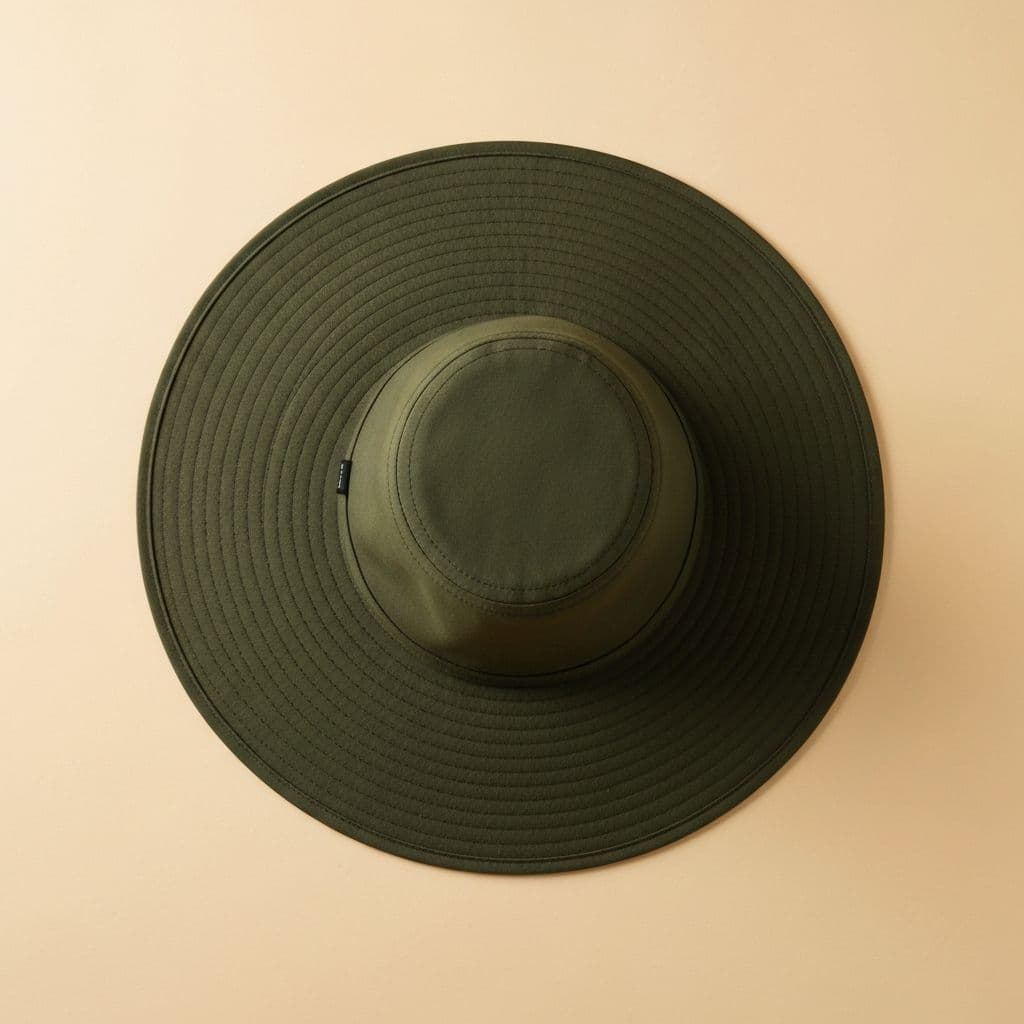
The Best Sun Hats for Men & Women
Wide-brim to baseball-style — the hats we wear when the sun's relentless.
Read review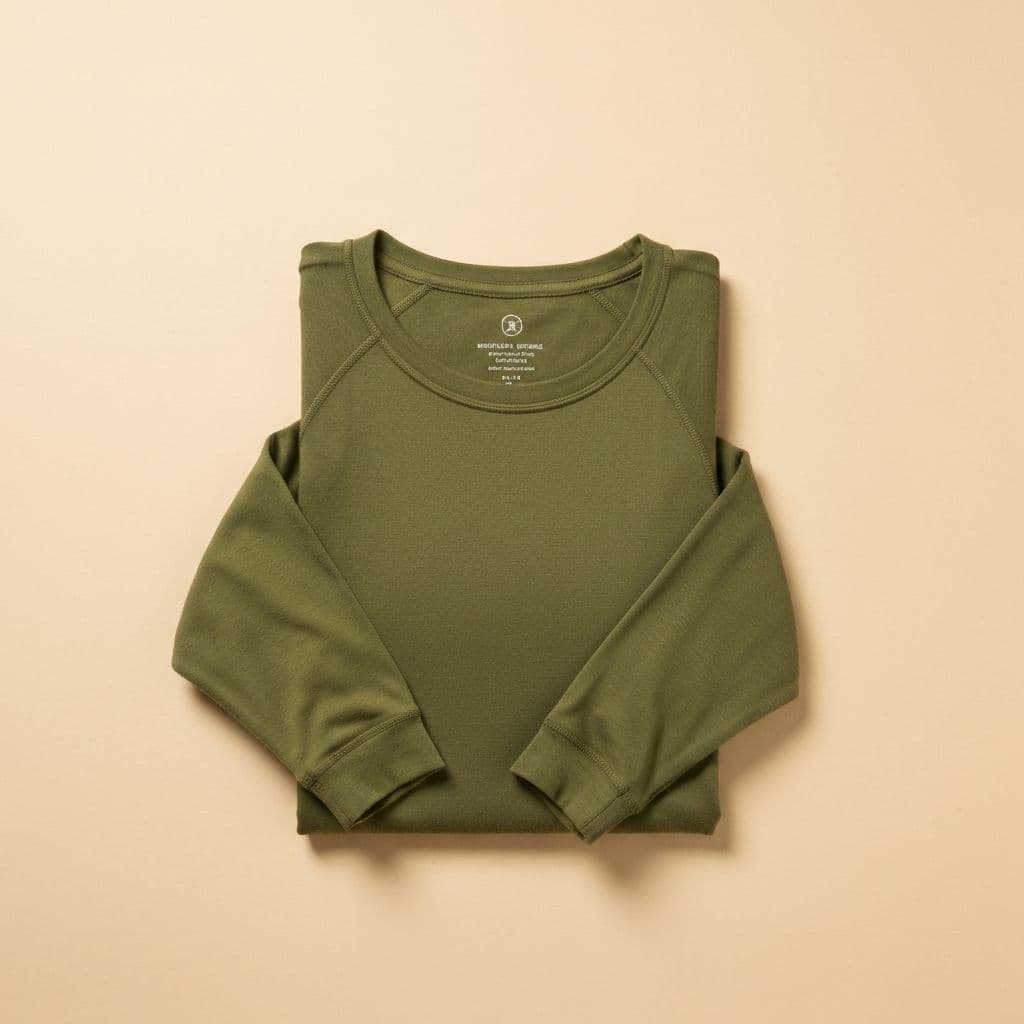
The Best Base Layers for Cold Weather
Merino, synthetic, hybrid. What we layer first when the temperature drops.
Read review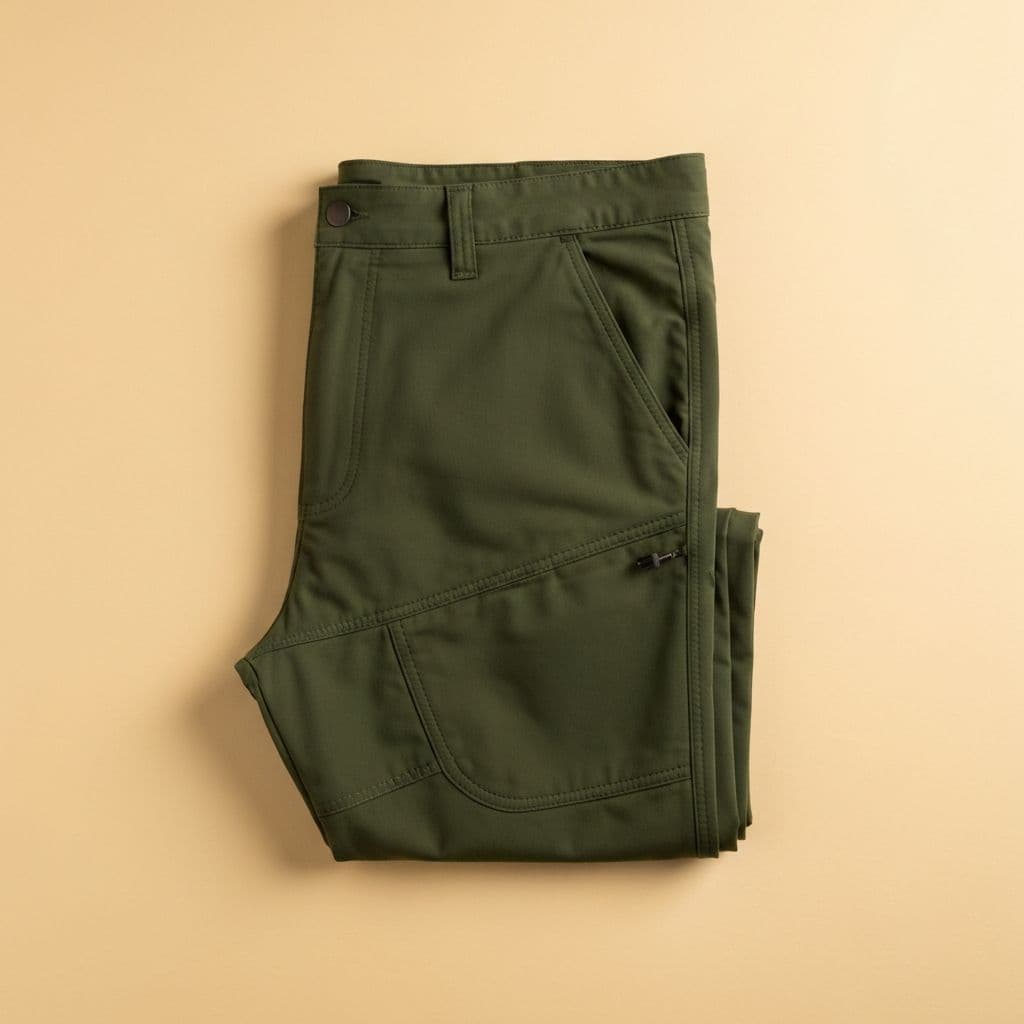
The Best Hiking Pants for Men
Stretch, durability, weather resistance. The pants we keep coming back to.
Read review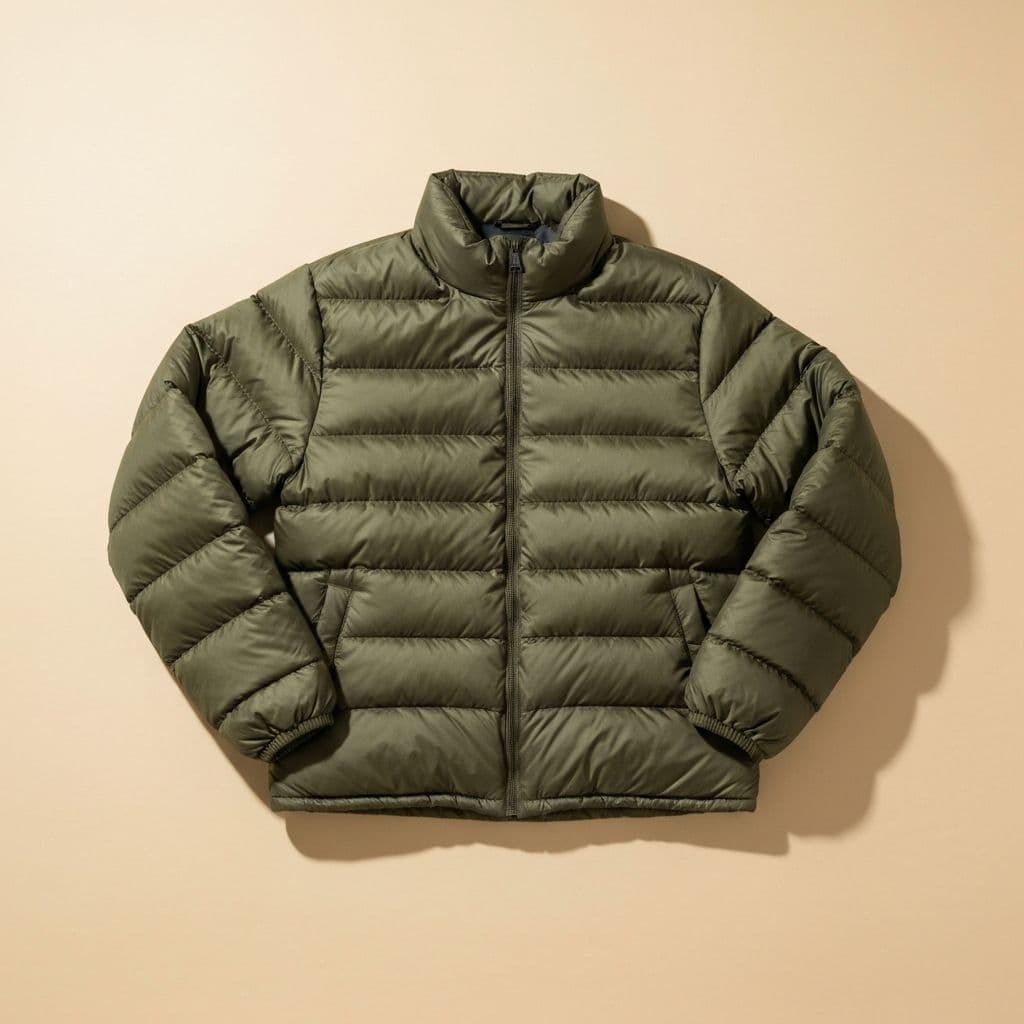
The Best Down Jackets — Warmth Ratings
Fill power, weight, packability. The down jackets that earn their carry weight.
Read reviewHow to Choose
What to look for in apparel gear.
Outdoor apparel is a layering system, and the marketing terms attached to it hide more than they reveal. Here's how to cut through it.
Waterproof vs. water-resistant
These are not the same, no matter how loosely product pages use them. Waterproof shells have taped seams and a rated hydrostatic head (10,000mm and up handles sustained rain); water-resistant pieces shed a light shower and then wet out. For genuine downpours you need waterproof with sealed seams. The trade-off is breathability — fully waterproof fabrics trap more sweat, so match the rating to the actual weather you face rather than buying the most bomber option by default.
Base layers and fabric choice
Your base layer's job is moving sweat off your skin so you stay warm and don't chill on stops. Merino wool resists odor remarkably well and regulates temperature across a wide range, making it ideal for multi-day trips; synthetics dry faster and cost less but hold smell. The one rule with no exceptions: never cotton next to skin in the cold — it soaks up sweat, stops insulating, and pulls heat away from your body.
Insulation: down vs. synthetic
Down offers the best warmth for its weight and packs down small — measured in fill power, where higher numbers mean more loft per gram. Its weakness is moisture: wet down collapses and stops insulating. Synthetic insulation is heavier and bulkier but keeps working when damp and costs less. Choose down for dry cold and weight-critical trips, synthetic for wet climates or hard-use pieces you can't baby.
Fit for layering and movement
A shell needs room for layers underneath without being a tent; a base layer should be close-fitting to wick effectively. Consider the full system when sizing — an athletic-cut jacket that fits over a t-shirt won't close over a fleece and down layer. Check that arms stay covered when you reach overhead and that hems don't ride up, because the coldest, wettest gaps are the ones that open when you actually move.
Across the Site
Apparel-adjacent gear from across the site.
Try Another Trail