The Field Manual ⟶ CLIMB
Up the wall and back.
Climbing shoes that actually edge, fit notes that aren't bullshit. We're starting with shoes — harnesses, ropes, and helmets coming next.
1 Review
Field Notes
Climbing shoes are the one piece of gear where fit determines performance more than price ever will. A shoe that edges beautifully on someone else's foot can feel like a torture device on yours, and the sizing charts brands publish rarely account for how a shoe actually breaks in after a dozen sessions on real rock. We test across grades and rock types — granite, sandstone, gym plastic — and wear each pair long enough to know how the rubber holds up, not just how it feels on day one.
This hub is intentionally narrow for now. Rather than rush out harness, rope, and helmet guides before we've put in the testing hours those categories deserve, we're starting with the one product every climber already owns an opinion about: shoes. More gear is in testing and will land here as it clears our bar.
What You Need
Reviews for Climb gear.
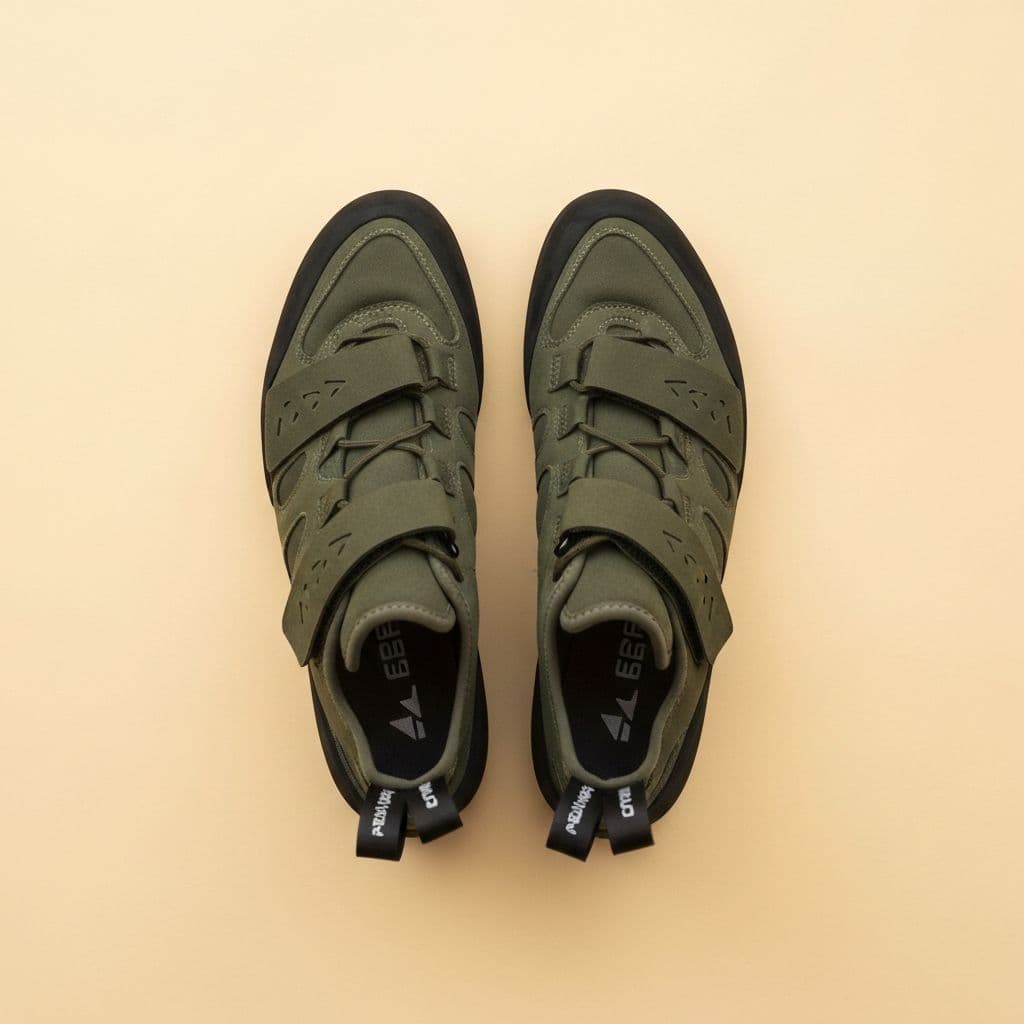
The Best Climbing Shoes
Aggressive, neutral, and beginner-friendly. Fit, last, and rubber compound explained.
Read reviewMore categories coming — we're testing now.
How to Choose
What to look for in climb gear.
Climbing shoes reward matching the shoe to your climbing, not chasing the most aggressive model on the wall. Here's what actually matters.
Downturn and asymmetry
The curve of a shoe (its downturn) and its sideways asymmetry determine what it does well. Flat, neutral shoes are comfortable and great for slabs, cracks, and all-day multipitch. Moderately downturned shoes are the versatile middle ground most climbers should start with. Aggressively downturned, asymmetric shoes concentrate power on the big toe for steep, overhanging sport and bouldering — but they're punishing to wear and overkill for anything vertical or lower-angle.
Fit and sizing
A performance fit should be snug with no dead space, toes flat or gently curled — not agonizing. The break-in behavior depends on the upper: leather stretches up to a full size, synthetics barely move. Buy leather shoes tighter knowing they'll relax; buy synthetics close to your true fit. If your foot is going numb standing at the crag, the shoe is too small, not 'broken in.'
Rubber and resole life
Stickier rubber compounds grip better but wear faster and feel softer underfoot; firmer rubber lasts longer and supports edging on tiny holds. Thickness matters too — thinner soles give sensitivity for smearing, thicker soles support and durability. Whatever you choose, plan to resole rather than replace: a good resole costs a fraction of new shoes and restores most of the performance.
Closure and intended use
Laces give the most adjustable fit and suit long routes where your feet swell; Velcro straps are fast on and off for bouldering and gym sessions; slippers are minimal and sensitive but offer the least support. Choose the closure around how you actually climb most often, not the discipline you do occasionally.
Across the Site
Climb-adjacent gear from across the site.
Try Another Trail