The Field Manual ⟶ CAMP
Sleep well. Cook well. Repeat.
Tents that pitch fast, stoves that work in wind, chairs that don't collapse under you. Field-tested camping gear without the manufacturer fluff.
5 Reviews
Field Notes
Camping gear fails in ways that don't show up on a spec sheet. A tent's stated square footage tells you nothing about how it handles a sideways gust at 2 a.m., and a stove's advertised boil time rarely accounts for wind, altitude, or fuel that's gone half-flat in the cold. We test everything on actual trips — multi-night backcountry stays, car camping weekends, and the kind of weather that makes gear either prove itself or fall apart.
Every product on this hub has been used long enough to reveal its weak points: zippers that snag after a season of grit, chair frames that loosen after repeated setup, knives that hold an edge through actual batoning rather than a single test cut. We buy what we review, so there's no incentive to go easy on something just because a brand sent it for free — because none of it was.
What You Need
Reviews for Camp gear.
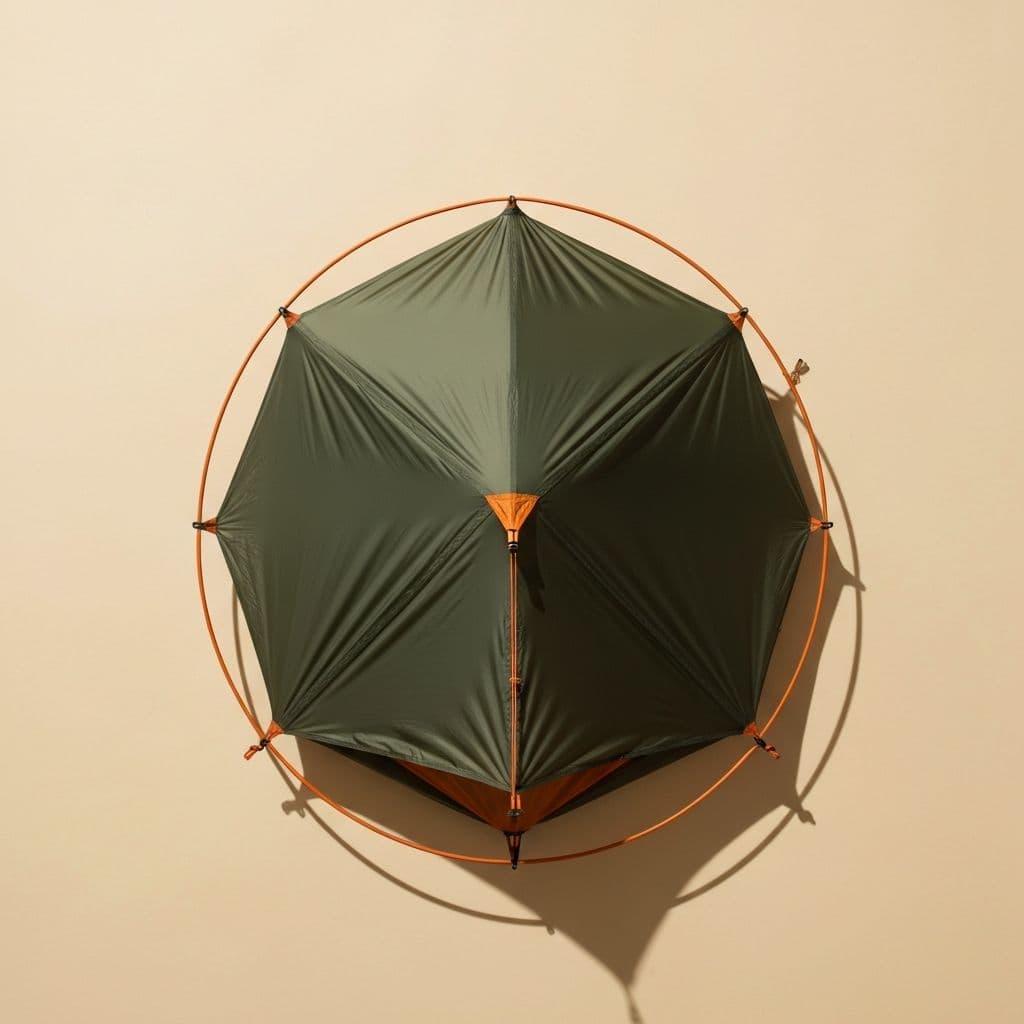
The Best Backpacking Tents
Ultralight to four-season. We tested in wind, rain, and condensation traps.
Read review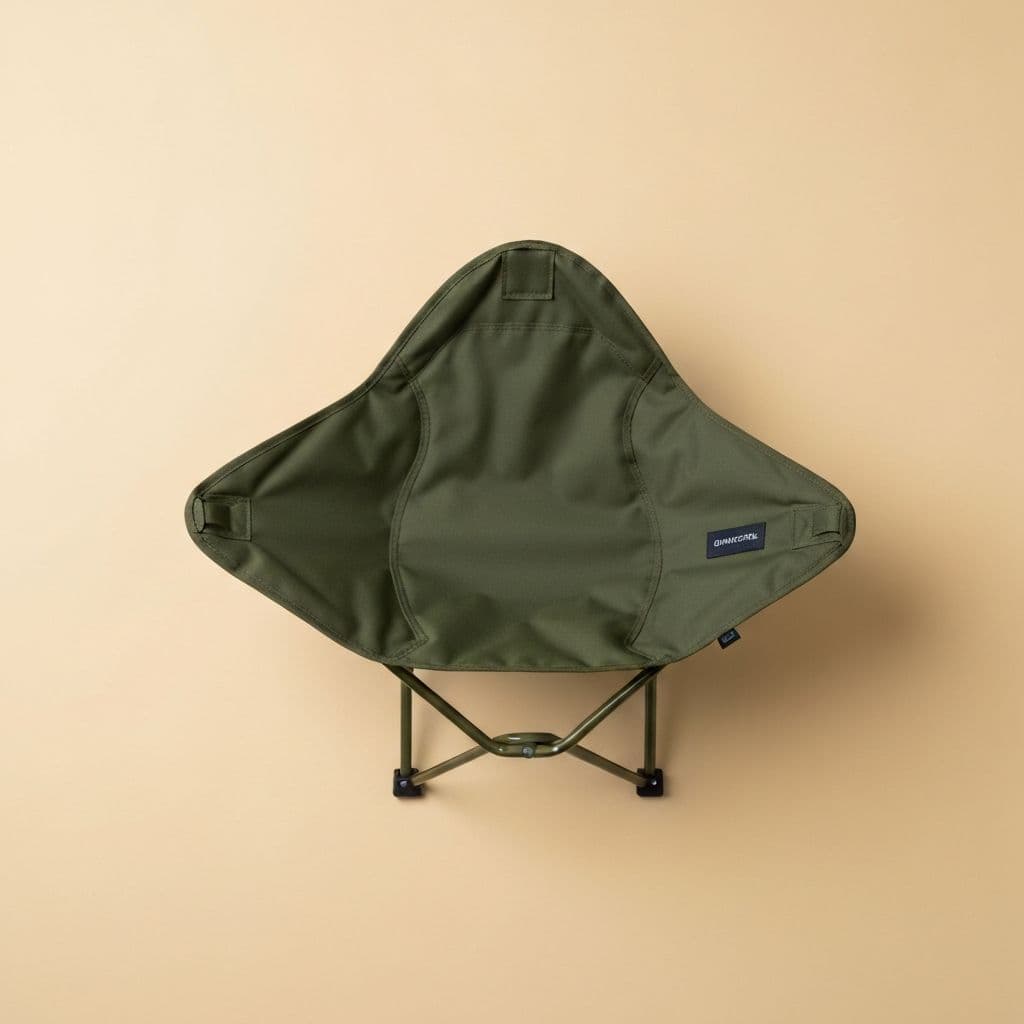
The Best Camping Chairs
Around-the-fire to packable. The chairs we'd actually carry in.
Read review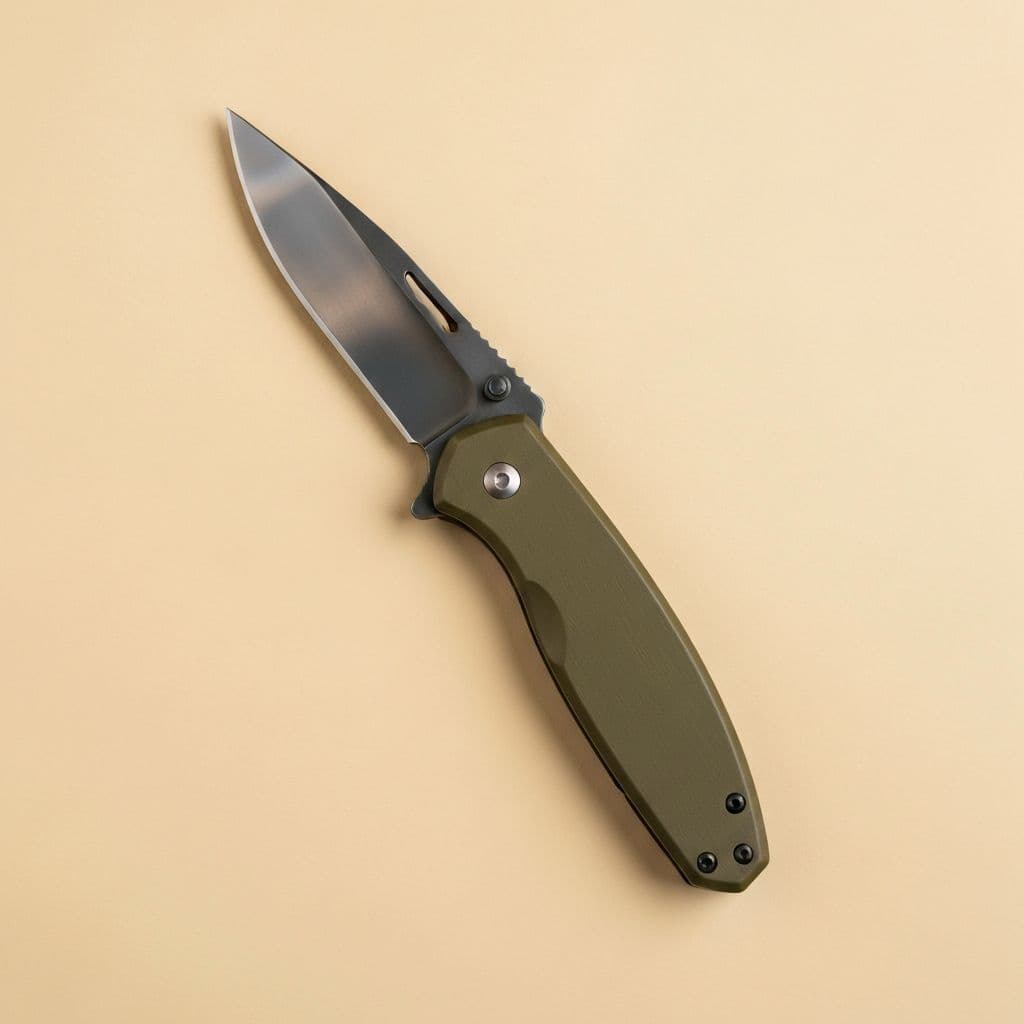
The Best Pocket Knives
EDC to camp utility. We cut, batoned, and abused them. Here's what survived.
Read review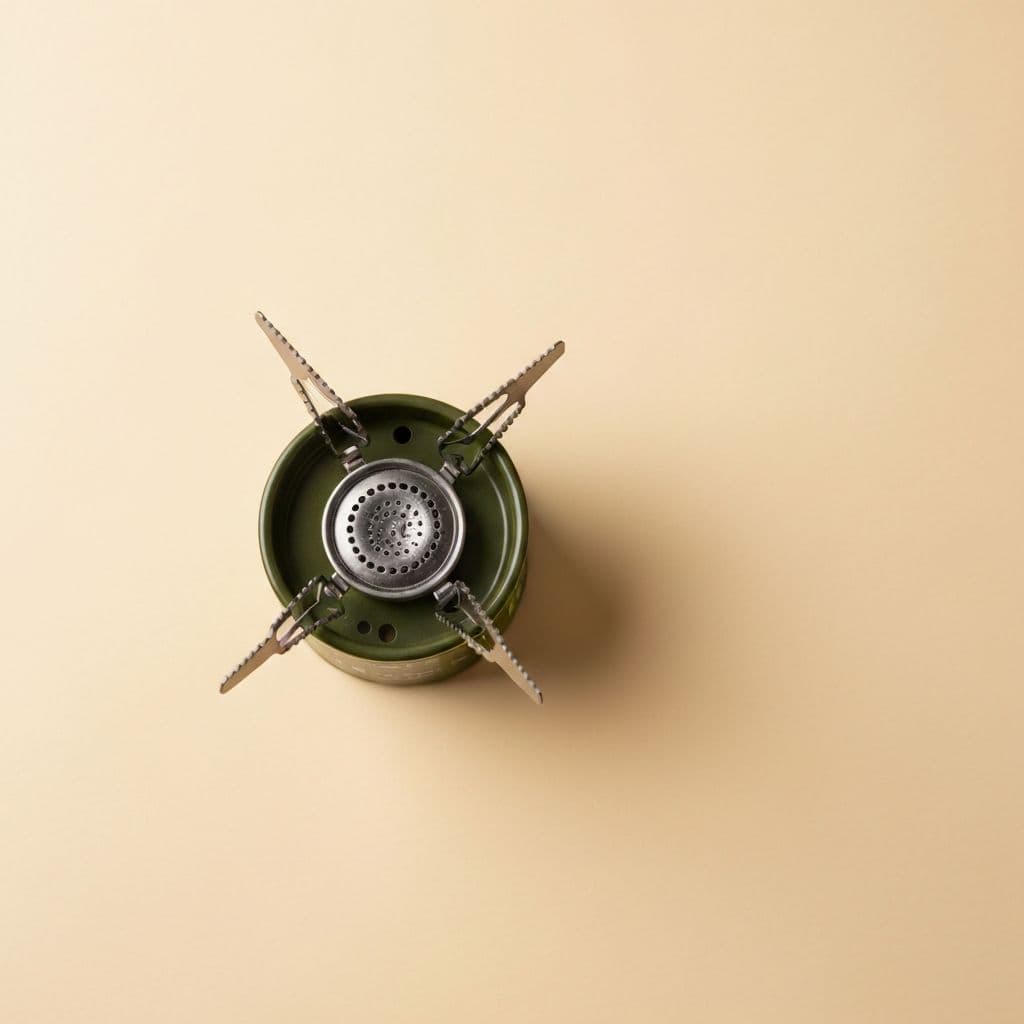
The Best Camp Stoves
Canister, liquid fuel, alcohol. Boil times, wind resistance, real-world fuel use.
Read review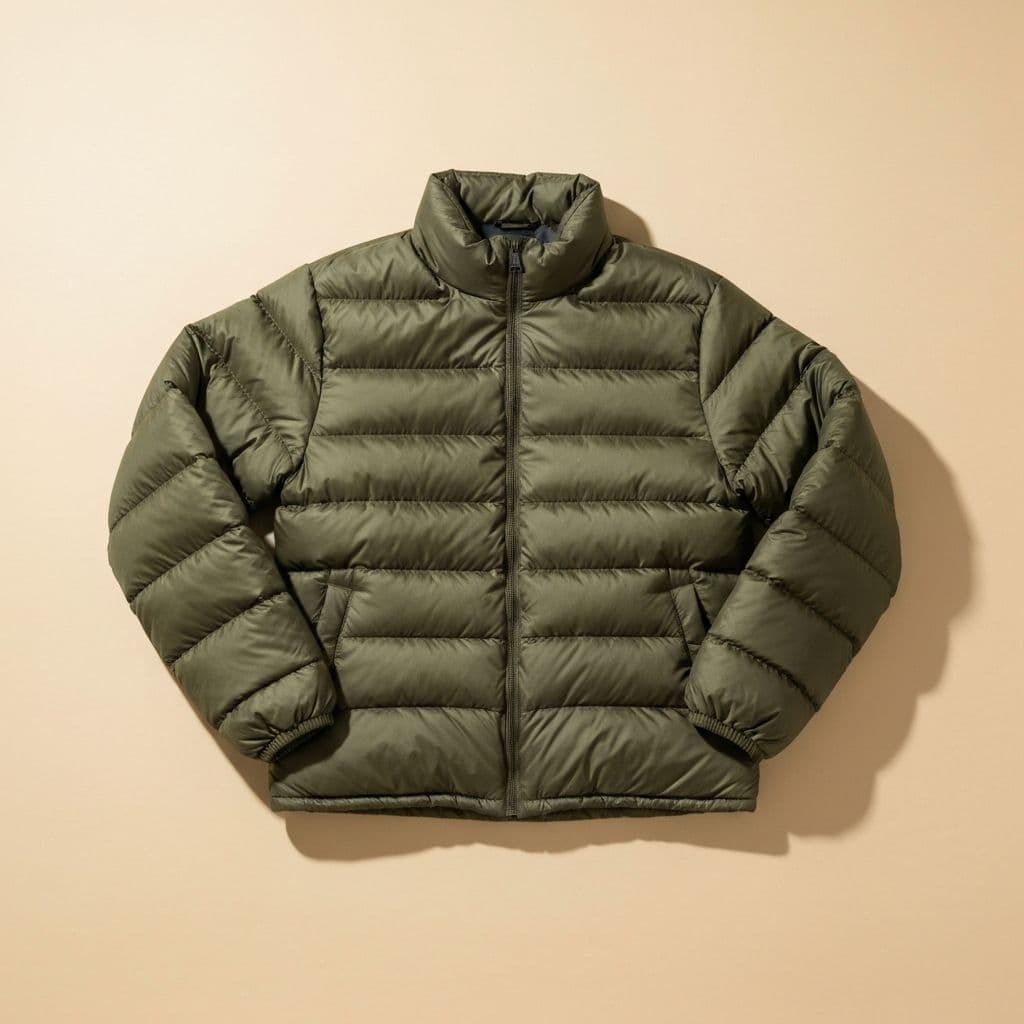
The Best Down Jackets — Warmth Ratings
Fill power, weight, packability. The down jackets that earn their carry weight.
Read reviewHow to Choose
What to look for in camp gear.
Camp gear is a series of weight-versus-comfort trade-offs, and the right answer depends entirely on how you camp. Here's how to decide.
Tents: season rating and real space
A tent's season rating describes weather it's built for, not temperature: three-season tents handle spring-through-fall with good ventilation, while four-season tents trade airflow for the strength to shed snow and stand up to hard wind. Ignore stated capacity — a "two-person" tent fits two people with no gear and no elbow room. Sizing up one person is the single best comfort upgrade. Look at peak height, vestibule space for gear, and how the poles handle a real gust, not just square footage.
Stoves: match fuel to conditions
Canister stoves are light, simple, and fast for three-season use but lose pressure in the cold. Liquid-fuel stoves work in freezing temps and at altitude but need priming and maintenance. Integrated canister systems boil water fastest and shield the flame from wind, ideal if you mostly rehydrate meals; open burners are more versatile for actual cooking. Wind is the great equalizer — a stove's advertised boil time evaporates in a breeze without a windscreen.
Chairs and comfort gear
Camp chairs range from ultralight packable models under a pound to plush car-camping thrones. For backpacking, weight and packed size rule; for car camping, prioritize back support and a frame that won't sink into soft ground or wobble loose after repeated setups. Test the weight rating and check whether the feet are wide enough to stay on top of dirt and sand rather than punching through.
Knives and camp tools
A camp knife should hold an edge through real use — food prep, cutting cord, light batoning — without needing constant sharpening. Blade steel is the main driver: stainless resists rust for wet environments, high-carbon holds a keener edge but demands care. A locking blade or fixed blade adds safety for harder tasks. Match the tool to your camping; a heavy fixed-blade is overkill for someone who mostly boils water and slices cheese.
Across the Site
Camp-adjacent gear from across the site.
Try Another Trail