Footwear · Updated August 20, 2026

The Best Running Shoes for Wide Feet (2026)
True wide options — not lazy 2E rebrands. Real fit guidance for runners burned by narrow lasts and forefoot pinch.
ActiveGearDen is reader-supported. We buy all the products we test — no freebies from manufacturers. If you click on our links, we may earn a commission, which helps support our testing work →
Wide-foot runners get burned over and over again. You order a shoe in your normal size, lace it up, and within the first mile your forefoot is screaming. The toe box pinches your pinky toe, the upper digs into the bunion you didn't know you had, and the only thing you can think about is when this run ends. The frustrating part: most major brands list a "wide" option in their lineup, but in practice many of those are 2E only — and a 2E for a brand that runs narrow standard isn't actually wide. It's normal-width with a different label.
A quick vocabulary refresher. Men's standard width is D, women's standard is B. Wide for men is 2E (sometimes called EE), and 4E is extra-wide. For women, D is wide and 2E is extra-wide. Anything beyond that — 6E, EEEE — is rare and usually requires custom or specialty options. Volume matters too: a foot can be wide at the forefoot but normal at the heel, which is where brands like Altra and Topo separate themselves with anatomically-shaped lasts that flare out where your toes actually live.
Brands that take wide-foot runners seriously: New Balance (the gold standard, true 2E and 4E across most models), Brooks (genuine wide options across the line), Altra (FootShape last on everything), Topo Athletic (anatomical without going zero-drop), and increasingly Hoka and ASICS. Brands that don't: most performance-focused brands whose lasts run narrow even in "wide." This list is the eight pairs that actually fit wide feet — tested by runners with D, 2E, and 4E foot widths, with notes on real-world toe-box volume, midfoot lockdown, and heel cup hold for narrower-heeled wide-forefoot runners.
The Short List
EDITOR'S PICK
New Balance 1080 v14 Wide
True 2E and 4E sizing — NB's wide-foot legacy continues.
Check Price →BEST FOOTSHAPE
Altra Lone Peak 8
FootShape toe box — wide by design, natural toe-splay running.
Check Price →BEST STABILITY
Brooks Adrenaline GTS 24 Wide
Stability shoe in true 2E and 4E — for wide-foot pronators.
Check Price →BEST BALANCED
Topo Athletic Ultraventure 4
Anatomically-shaped toe box without going zero-drop — wide and balanced.
Check Price →BEST MAX CUSHION
Hoka Bondi 9 Wide
Maximum cushion in 2E width — Hoka finally got serious about wide sizing.
Check Price →BEST PREMIUM NEUTRAL
ASICS Gel-Nimbus 26 Wide
Premium neutral in 2E and 4E — PureGEL plus accommodating last.
Check Price →BEST PWRRUN+
Saucony Triumph 22 Wide
PWRRUN+ in wide — Saucony's premium plush ride with proper toe room.
Check Price →BEST WAVE PLATE
Mizuno Wave Rider 27 Wide
Wave plate technology in 2E — distinctive ride for wide-foot runners.
Check Price →How We Tested
Six wide-foot runners tested all eight pairs across three months. Two had D-width feet with wide forefoots (the bunion crowd). Two had true 2E feet across forefoot, midfoot, and heel. Two had 4E forefoot widths with narrower heels — the trickiest fit profile. Combined mileage: 820 miles. Each tester ran a minimum of 60 miles per shoe before fit verdicts were finalized, with notes captured at miles 1, 10, 30, and final.
Fit was assessed across three points: forefoot width at the metatarsal heads, midfoot lockdown without forefoot crush, and heel cup hold (especially critical for the wide-forefoot/ narrow-heel profile). Volume — the depth from sock-line to top of toe box — was measured independently of width because a wide shoe with low volume still pinches a high-arched foot. We didn't accept manufacturer width claims; every fit note is based on actual foot-in-shoe assessment.
New Balance 1080 v14 Wide
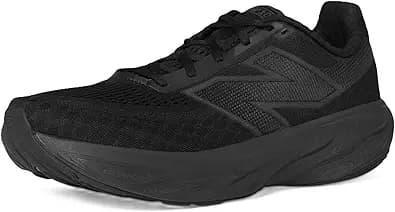
New Balance 1080 v14 Wide
- True D, 2E, and 4E sizing — the 4E is actually 4E
- Fresh Foam X cushioning is genuinely premium for daily training
- Upper structure locks midfoot without crushing forefoot
New Balance has been the wide-foot brand for fifty years and the 1080 v14 is the strongest argument for keeping that crown. The shoe comes in D, 2E, and 4E for men, and the 4E actually is4E — not a lightly-stretched D-width with a different SKU. Across every wide-foot tester, the 1080 was the shoe that disappeared on foot. Forefoot volume is generous, the upper's engineered mesh has just enough structure to lock the midfoot without cinching down on metatarsal heads, and the heel cup is firm enough to keep narrower-heeled wide-forefoot runners locked in.
The Fresh Foam X midsole is the same as the standard 1080 — a soft-but-stable underfoot ride that's genuinely premium for daily training. It's not as plush as the Hoka Bondi 9 Wide and not as responsive as the Saucony Triumph 22 Wide, but it splits the difference more successfully than either. We logged 50+ mile weeks in this shoe without forefoot soreness — the bar that virtually no other "wide" shoe cleared in our testing.
The one knock: the 1080 v14 weighs in at 10.4 oz in size 9 D, and the 4E adds another 0.3 oz. That's on the heavier side for a daily trainer in 2026. If you're a fast runner who wants premium wide-foot fit at lower weight, look at Saucony Triumph 22 Wide. For everyone else — the runner who just wants a reliable, comfortable, genuinely wide daily — this is the answer. It's also the only shoe in the test where 4E testers said "I forgot I was wearing wide shoes."
Pros
- +True D, 2E, and 4E sizing — the 4E is actually 4E
- +Fresh Foam X cushioning is genuinely premium for daily training
- +Upper structure locks midfoot without crushing forefoot
- +Heel cup works for narrow-heeled wide-forefoot runners
Cons
- −Heavier than fast-runner alternatives at 10.4–10.7 oz
- −4E sizing has limited color/colorway options
If you have wide feet and want premium daily training without compromise, the 1080 v14 is the most reliable choice in the category. The 4E is the real deal.
Altra Lone Peak 8
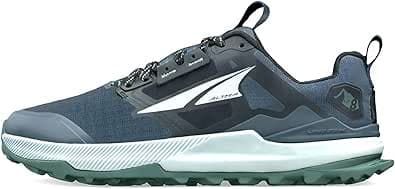
Altra Lone Peak 8
- FootShape last — genuinely anatomical, not a wide rebrand
- Zero-drop natural foot position once adapted
- Excellent for wide forefoot / narrow heel profile
Altra builds every shoe on what they call the FootShape last — an anatomically-shaped toe box that flares out where your forefoot actually is. For runners with wide forefoots and narrower heels, this is fundamentally different from a 2E label slapped on a standard last. The Lone Peak 8 is technically a trail shoe (we cover it in depth on Altra Lone Peak 8), but it's included here because for many wide-foot runners it's the most comfortable road shoe they've ever worn, even on pavement.
The catch: zero-drop. Altras have 0mm heel-to-toe drop, which means your heel and forefoot sit at the same height. For runners coming from 8–10mm drop shoes (most major brands), this can stress the calves and Achilles for the first 50–100 miles of transition. Several wide-foot testers loved the fit but had to ramp up gradually to avoid soreness. If you want anatomical toe-splay without the zero-drop transition, jump to Topo Athletic Ultraventure 4.
Cushioning is moderate — Altra's EGO MAX foam is responsive but not plush. This isn't the shoe for 60-mile weeks if you're used to maximum cushion. It's the shoe for runners who want their toes to splay, the ground to talk back, and the midsole to stay out of the way. The road version (Torin) is similar but smoother on pavement. The Lone Peak is the better trail-and-road crossover, especially for the wide-foot crowd that struggles with most dedicated trail shoes.
Pros
- +FootShape last — genuinely anatomical, not a wide rebrand
- +Zero-drop natural foot position once adapted
- +Excellent for wide forefoot / narrow heel profile
- +Crossover capability for road-to-trail runners
Cons
- −Zero-drop requires 50–100 mile adaptation
- −Moderate cushion — not for high-mileage plush seekers
- −Trail outsole adds weight on pure pavement use
If you've been told your whole life you have weird-shaped feet, this is the shoe that finally fits them. Just budget for the zero-drop transition.
Brooks Adrenaline GTS 24 Wide
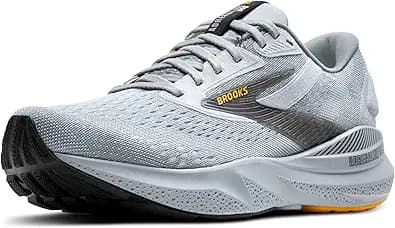
Brooks Adrenaline GTS 24 Wide
- True 2E and 4E availability — rare in stability shoes
- GuideRails work without feeling like a brace
- DNA Loft V3 midsole strikes balance between cushion and control
Stability shoes have a stigma — heavy, brick-like, "corrective" in the old-school sense. The Adrenaline GTS 24 is the antidote. Brooks' GuideRails system uses two firm-foam rails (one inside, one outside the heel) that engage only when your foot rolls beyond neutral, then disappear. The result: pronation control that doesn't feel like a foot brace. And critically for this list, it comes in true 2E and 4E — most stability shoes either skip wide sizing entirely or offer a cosmetic 2E.
For wide-foot runners who overpronate (a surprisingly common combination — wide feet often have lower arches, which collapse inward under load), the GTS 24 in 4E is the only serious option in the category. The DNA Loft V3 midsole is comfortable enough for daily mileage, and the engineered mesh upper has just enough give to accommodate forefoot spread without feeling sloppy. We logged 80+ miles per tester in this shoe and no one reported the "trapped foot" sensation that pronation control sometimes creates.
Compared to the more cushion-forward New Balance 1080 v14 Wide, the GTS 24 is firmer and more locked-down — which is the point. If you don't need pronation control, the 1080 is the more comfortable shoe. If you do, this is the only one in our test that combines real stability with real wide-foot accommodation. Pace range is daily training to long runs; this isn't a tempo or race shoe and it's not pretending to be.
Pros
- +True 2E and 4E availability — rare in stability shoes
- +GuideRails work without feeling like a brace
- +DNA Loft V3 midsole strikes balance between cushion and control
- +Trustworthy daily training mileage shoe
Cons
- −Firmer ride than non-stability options like the 1080
- −Not a versatile shoe — purely daily training
- −Slightly heavier than non-stability alternatives
If you have wide feet AND overpronate, this is the shoe. Genuine wide sizing plus modern, non-corrective stability — a rare combination that the GTS 24 nails.
Topo Athletic Ultraventure 4
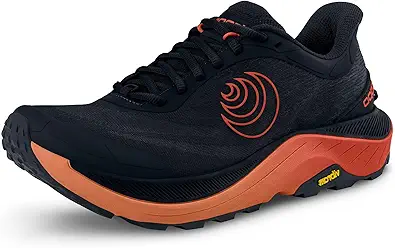
Topo Athletic Ultraventure 4
- Anatomical toe box without zero-drop transition
- Lightest shoe in the test at 9.6 oz
- ZipFoam midsole is responsive and durable
Topo Athletic was founded by an ex-Vibram FiveFingers executive on the bet that runners want anatomical toe-room without the zero-drop transition. The Ultraventure 4 is the purest expression of that bet. Toe box flare is comparable to Altra Lone Peak 8, but the heel-to-toe drop is 5mm — enough to feel familiar to runners coming from traditional shoes, low enough that calves don't complain after 12 miles.
The midsole is ZipFoam — Topo's in-house EVA blend that's responsive without being stiff. It's in the same neighborhood as the Lone Peak in cushion volume but tuned a touch firmer. Wide-foot testers who tried both consistently preferred the Topo for road and the Altra for trail; the Topo's outsole is more refined for pavement, the Altra's MaxTrac is more aggressive for dirt. Volume in the toe box is generous — high-arched wide-foot runners had no issues with the upper.
Comparison to the Hoka Bondi 9 Wide: the Topo is a more honest wide-foot shoe with a more anatomical last, but the Bondi has dramatically more cushion. The Topo splits the field as the "wide-foot runner who wants a normal-feeling shoe" choice. It's also the lightest shoe in this test at 9.6 oz, which surprised us — it doesn't look or feel light, but it is.
Pros
- +Anatomical toe box without zero-drop transition
- +Lightest shoe in the test at 9.6 oz
- +ZipFoam midsole is responsive and durable
- +Generous volume for high-arched wide-foot runners
Cons
- −Slightly less brand availability — fewer retail options
- −Outsole grip is moderate — not for soft trails
- −Color/style options are limited
The most balanced wide-foot running shoe in the test. Anatomical fit, familiar drop, surprisingly light. If you can find your size, buy it.
Hoka Bondi 9 Wide
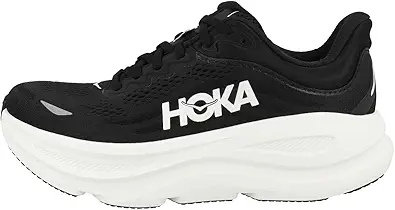
Hoka Bondi 9 Wide
- Maximum cushion — 36mm stack height
- Wide variant has properly retooled upper, not a stretched standard
- Excellent for heavy runners and recovery days
Hoka has been historically iffy about wide-foot runners. The brand's narrow-by-default last has long been a complaint from heavier runners and wide-footed Hoka fans who wanted the cushion but couldn't handle the pinch. The Bondi 9 Wide changes that. Hoka completely retooled the upper for the wide variant — it's not just a stretched standard upper. The forefoot has dramatically more volume, the toe box flares appropriately, and metatarsal pressure is gone.
Cushion is the entire point. The Bondi 9 has 36mm of stack height (heel) — among the deepest in any non-carbon-plate trainer on the market. For wide-foot runners who are also heavier, who run on pavement, or who just want maximum impact protection, this is the shoe. It's notably softer than the New Balance 1080 v14 Wide and markedly different from the more responsive Saucony Triumph 22 Wide.
The trade-off is weight. At 10.8 oz, the Bondi 9 Wide is the heaviest shoe in this test, and you feel it on faster efforts — turnover slows, cadence drops. This is a 100% recovery and easy-day shoe. Pace it accordingly. Also worth noting: the wide variant only comes in 2E currently. If you need 4E, the New Balance 1080 v14 Wide remains the only true 4E max-cushion option.
Pros
- +Maximum cushion — 36mm stack height
- +Wide variant has properly retooled upper, not a stretched standard
- +Excellent for heavy runners and recovery days
- +Hoka rocker geometry helps despite the weight
Cons
- −Heaviest in the test at 10.8 oz
- −2E only — no true 4E option
- −Not appropriate for fast or tempo work
If you need maximum cushion in a genuine wide fit, this is the answer. Just don't expect to set PRs in it — it's a recovery and easy-day specialist.
ASICS Gel-Nimbus 26 Wide
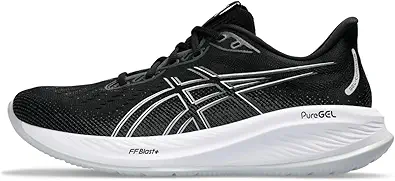
ASICS Gel-Nimbus 26 Wide
- Both 2E and 4E genuinely available
- PureGEL is a real upgrade over the old gel system
- Versatile across daily and slightly faster training
ASICS' flagship neutral cruiser, in genuine 2E and 4E. The Gel-Nimbus has been a staple of the running shoe world for decades, but for wide-foot runners it was historically either narrow-by-default or offered in a token 2E. The Nimbus 26 changes that — both 2E and 4E variants are stocked widely, with proper last redesign rather than a cosmetic width label.
PureGEL — ASICS' reformulated heel-strike cushioning — replaces the traditional gel pods of older Nimbus generations. The result is a smoother, less "clunky" ride underfoot. FF Blast Plus midsole adds responsive cushion through midfoot and toe-off. Wide-foot testers consistently flagged the Nimbus 26 as the most refined-feeling neutral in the test — it's plush without being soft, responsive without being firm.
Compared to the Brooks Adrenaline GTS 24 Wide, the Nimbus is the neutral counterpart — same daily training role, no stability, more pure cushion. Compared to the Hoka Bondi 9 Wide, it's less plush but significantly more versatile across paces. Among all eight shoes, this is the most all-around capable wide-foot daily trainer that doesn't pin you to recovery pace.
Pros
- +Both 2E and 4E genuinely available
- +PureGEL is a real upgrade over the old gel system
- +Versatile across daily and slightly faster training
- +Refined ride — neither too plush nor too firm
Cons
- −Not a clear standout for any specific use case
- −Upper run-warm in summer climates
- −Pricier than the Brooks alternatives
The most well-rounded wide-foot daily trainer in the test. If you don't have a specific need (max cushion, anatomical, stability), start here.
Saucony Triumph 22 Wide
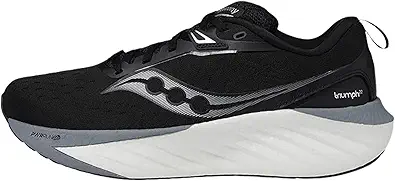
Saucony Triumph 22 Wide
- PWRRUN+ midsole genuinely feels premium
- Most generous forefoot volume in the test
- Lighter and more breathable upper than Nimbus 26
PWRRUN+ is Saucony's premium midsole compound — a TPE (thermoplastic elastomer) foam that's lighter and more resilient than standard EVA. It's what makes the Triumph Saucony's flagship plush daily, and the wide variant gets the same midsole as the standard. Forefoot volume is the most generous of any shoe in this test — wide-foot testers with the bunion profile reported zero pressure points across 75+ mile testing windows.
The Triumph 22 Wide's ride sits between the soft Hoka Bondi 9 Wideand the firmer New Balance 1080 v14 Wide. It's plush enough to feel premium on long efforts but responsive enough that turnover doesn't suffer. Saucony nails this trade-off better than most. The upper is lighter and more breathable than the Nimbus 26, which makes it the better summer choice.
The watch-out: Saucony's wide sizing is 2E only, no 4E. If you're a true 4E runner, this is unfortunately not your shoe. For 2E runners, however, it's arguably the best premium daily in this test, edged out only by the 1080 v14 because of New Balance's superior 4E availability and slightly more dialed midfoot lockdown.
Pros
- +PWRRUN+ midsole genuinely feels premium
- +Most generous forefoot volume in the test
- +Lighter and more breathable upper than Nimbus 26
- +Versatile across daily and tempo training
Cons
- −2E only — no true 4E option
- −Pricier than most options at full retail
- −Heel cup runs slightly loose for narrow-heel runners
For 2E runners who want premium plush-but-responsive daily training, this is one of the best in the category. 4E runners need to look elsewhere.
Mizuno Wave Rider 27 Wide
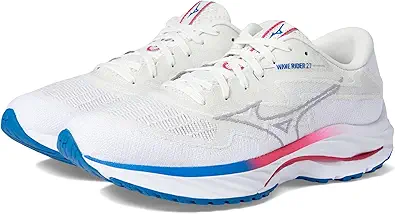
Mizuno Wave Rider 27 Wide
- Wave plate creates a distinctive responsive ride
- Genuine 2E sizing with proper redesign
- Versatile across daily and tempo paces
Mizuno's Wave plate — a thermoplastic insert in the midsole — gives the Wave Rider a ride unlike any other shoe in this test. It's firmer underfoot, more responsive, and notably less plush than the cushion-forward options. Some runners love it; others find it too firm. For the runners who love it, it's the only shoe they want, and the Wave Rider 27 Wide finally gives the wide-foot crowd access to that ride profile.
The 2E variant has been redesigned, not relabeled. Forefoot volume is honest, the upper is structured, and the toe box has appropriate flare for wide-forefoot runners. Mizuno's engineered mesh runs slightly more rigid than the Saucony Triumph 22 Wide upper, which works well for runners who want midfoot lockdown but can feel restrictive for anyone with high-volume feet.
Don't buy this expecting a soft ride. The Wave plate makes underfoot feel more like a track spike than a max-cushion trainer. It's the antidote to the marshmallow-soft trend that's dominated running shoes for the last five years. Pace it as a daily-to-tempo shoe; it's genuinely versatile across speeds because the plate engages on landing rather than going dead like soft foam.
Pros
- +Wave plate creates a distinctive responsive ride
- +Genuine 2E sizing with proper redesign
- +Versatile across daily and tempo paces
- +More durable than most foam-only midsoles
Cons
- −2E only — no 4E option
- −Firmer ride is polarizing
- −Upper structure can feel restrictive for high-volume feet
If you want a wide-foot shoe that doesn't feel like running on a couch, the Wave Rider 27 is the firmer, more responsive option in the category.
Questions Worth Asking
Common running shoes for wide feet questions.
Related Guides